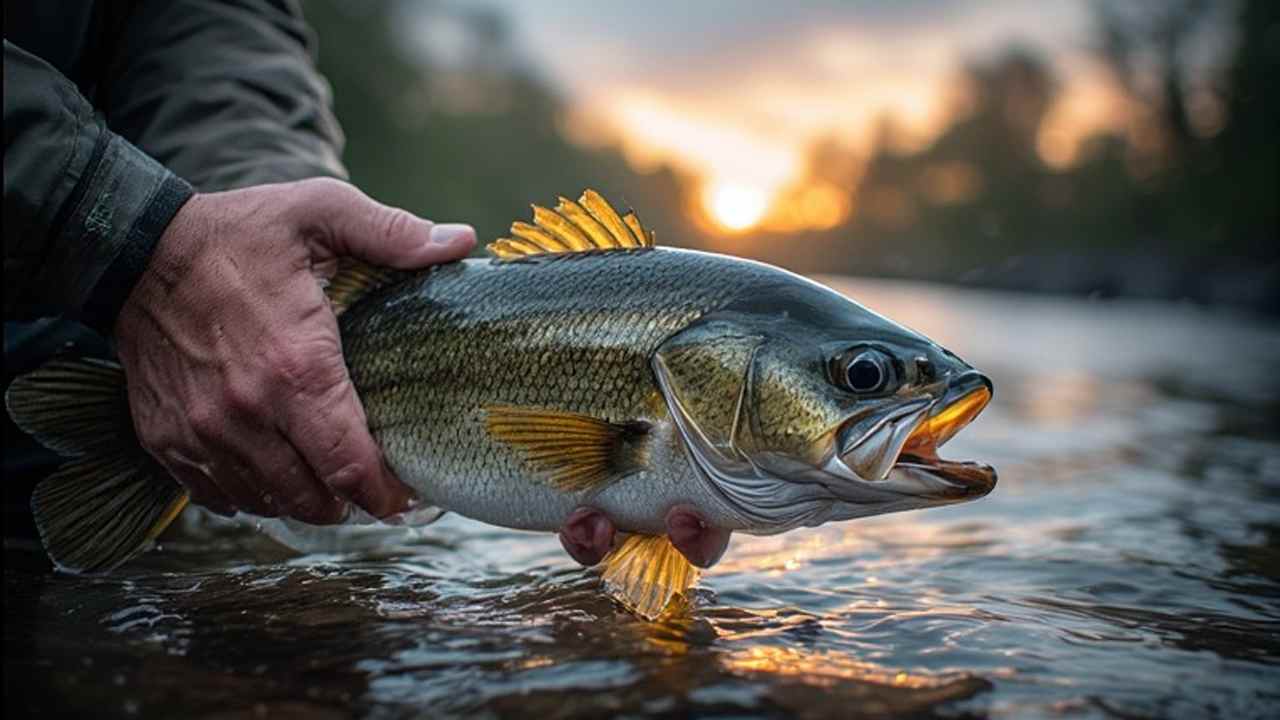
The first real “Pennsylvania fishing morning” of the year usually starts the same way: the snowmelt has finally backed off, the creek edges are still iced in spots, and you can hear water again—running, tumbling, waking up. You’re standing there with cold fingers, a warm coffee, and that little hope that the next bend holds a trout that forgot to be cautious.
That’s the fun part about fishing in Pennsylvania: opportunities don’t just change by the month—they shift by water temperature, stocking cycles, spawning windows, and special regulation periods. One week you’re chasing stocked trout in a family-friendly stream; later you’re watching bass guard beds and learning why “no harvest” rules matter; then fall shows up with chrome-bright steelhead runs and leaf-colored riverbanks.
Pennsylvania is also visitor-friendly—as long as you do two things: (1) get the right license/permits, and (2) pay attention to which waters have special creel rules, closures, or catch-and-release windows. The Pennsylvania Fish and Boat Commission (PFBC) lays out key dates and statewide season frameworks so anglers can enjoy the resource and keep it healthy for the next person who wakes up before dawn.
Complete Pennsylvania Fishing Season Dates 2026
Here’s a clean “pin-this-to-your-fridge” view of the most commonly referenced statewide season markers and reminders.
| Fishery / Rule Window | What it means in plain English | 2026 timing (statewide framework) |
|---|---|---|
| Trout regular season | Traditional opener with morning start time; expect crowds + stocked water excitement 🐟 | Begins 8 a.m. first Saturday in April and runs to midnight Labor Day |
| Trout extended season (on stocked trout waters & some lakes/ponds) | Trout fishing continues outside the “classic” window, but pay attention to special closures and water designations | Jan 1–Feb 15, 2026, and day after Labor Day–Dec 31 |
| Bass (largemouth/smallmouth/spotted) – open year-round | You can fish, but harvest is restricted during spawn protection | Open year-round; no-harvest from second Saturday in April to second Saturday in June |
| Walleye / sauger season blocks | Spring closure + spring opener | Jan 1–Mar 14, then first Saturday in May–Dec 31 |
| Musky / pike / pickerel | Generally available throughout the year (watch size/possession rules by water) | Open year-round |
| Fish-for-Free Days 🎣 | Anyone can fish legally without a fishing license on these days (other rules still apply) | May 24, 2026 and July 4, 2026 |
| Mentored Youth Fishing Day | Special youth-focused day shortly before trout opener | Last Saturday in March (the week before opening day) |
🗓️ Seasonal Fishing Breakdown
Early Spring (the “cold hands, hot bite” season) 🎣
- Best beginner-friendly vibe: stocked streams and easy-access lakes start drawing anglers back outdoors.
- Species that show up strong: trout (especially where stockings happen), plus pre-spawn panfish in shallows.
- Regulation “gotchas” to watch: trout waters may have special closure windows on certain stocked sections—always check the water designation before you assume it’s open.
- Good habit to build: treat early season as “practice season”—double-check your gear rules, measure fish carefully, and learn the difference between a normal harvest day and a catch-and-release period.
Peak Summer (long evenings, warmwater playground) 🐠
- Species that keep the rods bending: bass, catfish, carp, panfish, and river smallmouth when flows are stable.
- Typical rule patterns: bass is open year-round, but Pennsylvania uses a no-harvest spawn-protection window in spring—by summer you’re generally in a more harvest-flexible rhythm (still water-specific).
- Where casual anglers win: family-friendly fishing areas—public lakes with shorelines, parks with easy parking, and managed lakes and rivers with obvious access.
Fall Transition (less pressure, more magic) 🐟
- What changes: water cools, oxygen improves, and fish feed like they’ve got a winter appointment.
- Species to think about: trout in many systems, aggressive pike/muskie, and strong river bites when conditions line up.
- Regulation cues: fall is when anglers accidentally forget extended-season rules vs. regular-season expectations—especially on stocked trout waters.
Winter (the quiet season that still produces) 🦈
- If you’re willing to bundle up: open water opportunities remain for some fisheries, and certain trout opportunities continue under extended frameworks where allowed.
- Beginner approach: keep it simple—short outings, safe banks, and one reliable presentation (a small jig, a live bait rig where legal, or a slow-moving lure).
🐟 Game Fish Anglers Target Most
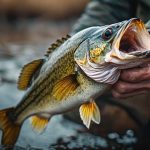
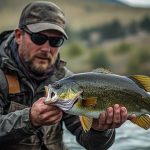
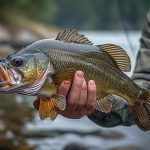
Bass in Pennsylvania are the “anywhere, anytime” confidence booster—rivers, reservoirs, farm ponds, you name it. They’re most active from late spring through early fall, but what really matters is the spawn-protection mindset: even though bass are open year-round, Pennsylvania includes a no-harvest season during the heart of spawning. Practically speaking, that means you can enjoy the bite, snap a quick photo, and send them back to keep the fishery strong.
Trout are the headline act for beginners and visitors because Pennsylvania supports broad trout fishing opportunity through regular and extended season frameworks. The classic opener brings crowds and excitement, but don’t overlook early spring stockings and shoulder-season fishing where it’s permitted. On many waters, you’ll hear anglers talk about “stocked streams” versus naturally reproducing trout water—those labels matter because they often come with different expectations (and sometimes different rules).
Pike / muskie offer that heart-thump moment—one strike can feel like you hooked a submerged log that suddenly got angry. They’re open year-round statewide, and you’ll find them in weedy lakes, big reservoirs, and slower river sections. They’re often managed with more conservative harvest expectations (think size/possession limits that encourage releasing big breeders), so it’s smart to approach them with a “selective harvest” mindset even when you’re allowed to keep fish.
Walleye / catfish are the after-work favorites: low light, steady patience, and a real chance at dinner if you’re fishing harvest-legal waters. Walleye in Pennsylvania follow defined seasonal blocks that include a spring closure and a spring opener; catfish opportunities are broader and often shine in summer nights on rivers and reservoirs. If you’re visiting, walleye is the one to double-check for seasonal timing before you plan a trip.
🦞 Regulated or Special-Permit Fisheries
Pennsylvania has a few “extra step” fisheries—meaning you may need an additional permit, or the water may have special management rules meant to protect fragile populations.
- Trout-focused waters: If you’re targeting trout (and sometimes salmon), Pennsylvania commonly requires a separate add-on permit alongside your base fishing license. That’s not just bureaucracy—it funds stocking, habitat work, and coldwater fisheries management.
- Lake Erie & tributary style fisheries: Some Pennsylvania fisheries are tightly managed due to seasonal runs, high fishing pressure, and sensitive spawning behavior. Plan ahead, read signs at access points, and assume local special rules can override “general” expectations.
- Sustainability angle: if a water has special creel rules, gear restrictions, or limited harvest windows, it’s usually because it’s producing something valuable—wild trout genetics, trophy potential, or a heavily used public access fishery.
🐠 Everyday Fish & Panfish Opportunities
A simpler way to think about panfish is: “fast bites, easy learning curve, and perfect for kids.”
| Everyday species | Creel rule style you’ll often see | Where you’ll commonly find them |
|---|---|---|
| Bluegill / sunfish 🐠 | More liberal “panfish-style” limits on many waters | Shallow coves, docks, weed edges, park lakes |
| Crappie | Often a moderate possession limit | Brush piles, deeper structure, quiet coves |
| Perch | Commonly managed with a daily take limit | Cooler lakes, deeper basins, drop-offs |
| Rock bass | Typically grouped with panfish rules | Rivers and rocky banks, smallmouth water |
🏞️ Stocked Waters & Management Programs
Pennsylvania doesn’t just “have trout”—it actively builds trout opportunity through stocking programs and mapped resources. PFBC highlights trout stocking information and maps, including schedules and stocked trout waters mapping tools. If you’re planning a trip, it’s worth checking the official PFBC stocking resources right before you go, because schedules can change and not every water is stocked the same way each year.
If you’re introducing a kid (or an adult newbie who acts like a kid around bobbers), look for urban-friendly ponds and community waters—places where parking is easy, casting room is wide, and success doesn’t require wading into a fast river. Pennsylvania also promotes family participation through Fish-for-Free Days, which can be a perfect “try-before-you-buy” moment for visitors.
For a broader regional comparison (especially if you travel), you might also like Colorado’s high-country fishing rules overview—different landscapes, similar need to respect managed waters and changing season structures.
🌍 Access Rules: Public vs Private Waterways
- Public fishing access waters often include PFBC access areas, parks, state forests, state game lands, and some municipal properties—but access can be point-specific, not “the whole shoreline.”
- Use official “where to fish” mapping resources to locate entry points instead of guessing from satellite imagery.
- A stream can be fishable yet still bordered by private land—never assume you can cross someone’s yard to reach the water.
- Read signage like it matters (because it does): posted boundaries, parking rules, and launch restrictions are common at heavily used waters.
- Leave gates as you found them, don’t block driveways, and keep noise down—access is a privilege that disappears when people abuse it.
🎟️ Pennsylvania Fishing License Overview
- If you’re 16 or older, assume you need a fishing license for most public fishing in Pennsylvania.
- Residents and non-residents generally have different license options (and different costs), but the “how it works” is similar: pick a term length, then add permits if needed.
- Youth rules can be more flexible on special days or mentored programs—great for families testing the waters together.
- Short-term passes are ideal for visitors doing a weekend trip or a one-off cabin stay.
- If you plan to fish for trout (and sometimes salmon) or certain regional fisheries, you may need additional endorsements/permits beyond the base license.
❓ Angler FAQs
1. If I’m visiting Pennsylvania for one weekend, what’s the simplest way to stay legal?
The simplest way is to purchase a Seven-Day Tourist Fishing License . This covers you for up to seven consecutive days and eliminates the need to calculate daily rates. Be aware that One-Day Tourist Licenses are not available for purchase between March 15 and April 30 .
2. Do Fish-for-Free Days still require me to follow size limits and creel rules?
Yes. On Fish-for-Free Days (e.g., Memorial Day weekend and July 4), the requirement to have a license is waived, but all other fishing regulations remain in full effect. You must still adhere to season dates, minimum size limits, and daily creel limits .
3. What does “no harvest” mean for bass—can I still fish for them?
Yes, you can still fish for them. “No harvest” means catch and immediate release only. You cannot take, kill, or possess the fish. For example, on Commonwealth Inland Waters, bass are “no harvest” from January 1 through April 11 and again from October 1 through December 31 (you must release them immediately). Harvest is only permitted during the specific open harvest windows .
4. Why do some trout waters seem “closed” right before opening day?
They are legally closed. Stocked trout waters are closed to ALL fishing (including the taking of minnows) from February 17 until 8:00 a.m. on the opening day of trout season . This closure is intended to protect trout just prior to the season opener. You are considered to be fishing if you have a rod or line within 25 feet of the water during this period .
5. Is it okay to keep a fish if I’m not sure what species it is?
No. You must positively identify the species. Keeping a fish you cannot identify risks violating:
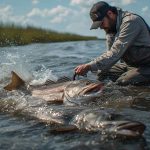
- Endangered species laws (species like Paddlefish and Spotted Gar are completely closed year-round) .
- Season and size restrictions (e.g., American Shad and River Herring have “NO HARVEST” or completely closed seasons in specific rivers) .
- Increased penalties: Recent legislation (HB 159) increases penalties for negligent or intentional violations involving threatened or endangered species to a first-degree misdemeanor .
6. How do I find places to fish where I won’t accidentally trespass?
You cannot rely solely on a map; you need permission for certain waters. Regulated Fishing Lakes are private. Under 30 Pa.C.S.A. § 3109, it is illegal to fish or trespass with intent to fish on a licensed regulated fishing lake without paying the fee or obtaining permission from the owner. Violation is a summary offense of the first degree .
7. Where can I confirm statewide season frameworks before I drive across the state?
You must verify using the official source because rules are complex and change. Do not rely on the generic summaries in this document for your trip. You must check the Pennsylvania Fish and Boat Commission (PFBC) official website (Fishandboat.com) or the FishBoatPA mobile app . The provided search results confirm that:
- Opening day for trout 2025 was April 5 at 8:00 a.m. .
- Bass seasons have strict “NO HARVEST” windows .
- Dozens of specific streams and lakes (e.g., Yellow Creek, Bald Eagle Creek, Lake Pleasant) have special regulations that override the statewide rules .
🗺️ Where to Fish This Year
Pennsylvania is one of those states where you can build a whole year of trips without repeating the same “style” of water. For maps and planning tools, start with PFBC’s location guidance and mapping resources: Where to fish in Pennsylvania (official maps & planning).
If you want a few well-known waters to daydream about while you re-tie leaders at the kitchen table, Pennsylvania’s “big names” often include Lake Erie and its tributaries for run-driven excitement, big reservoirs like Raystown Lake for warmwater variety, and destination rivers such as the Susquehanna and Delaware where smallmouth and multi-species opportunities keep things interesting. Some places feel like “bring a boat” water; others are perfect for a wading staff and a small sling pack. The best part is that you can match the trip to your mood: a sunrise shore session, a family afternoon at a managed lake, or a crisp fall walk along a stocked stream where every bend feels like a new chapter.
✅ Final Thoughts
Pennsylvania’s 2026 fishing year is built around a few simple anchors: trout regular season begins 8 a.m. the first Saturday in April and runs through midnight Labor Day, trout extended season opportunities include Jan 1–Feb 15, 2026 plus the day after Labor Day through Dec 31, bass are open year-round but include a spring no-harvest window, walleye/sauger run in two main season blocks, and two Fish-for-Free Days land on May 24 and July 4. If you keep your license/permits squared away, respect public vs private access, and double-check special rules for the exact water you’re fishing, you’ll be set up for a smooth, memorable season—whether you’re a first-timer or just here for a quick weekend escape.

- Wyoming Fishing Regulations 2026: State Rules & Management Areas - February 16, 2026
- Wisconsin Fishing Regulations by Zone 2026: Seasons & Size Limits - February 16, 2026
- West Virginia Fishing Regulations 2026: Stream & Lake Rules - February 16, 2026