Whether you’re a first-timer clutching a borrowed tackle box or a seasoned angler chasing your personal-best muskie, the Bluegrass State offers something special in every season. But here’s the thing: knowing when to go and what the rules allow can make the difference between a cooler full of memories and a wasted Saturday.
Kentucky’s fisheries are carefully managed to keep waters healthy, populations thriving, and access open to everyone—from urban pond anglers to backcountry stream explorers. In 2026, updated guidelines and seasonal windows help protect spawning cycles while giving you plenty of time to chase your favorite species. Let’s break down what’s biting, when it’s legal, and how to make the most of your time on the water.
🗓️ Complete Kentucky Fishing Season Dates 2026
| Species | Season Opens | Season Closes | Notes |
|---|---|---|---|
| Largemouth Bass | Year-round | Year-round | Size and creel limits apply |
| Smallmouth Bass | Year-round | Year-round | Special slot limits on some rivers |
| Spotted Bass | Year-round | Year-round | Check local waterway rules |
| Kentucky Bass | Year-round | Year-round | Possession limits vary by zone |
| Trout (Stocked) | March 1 | October 31 | Designated trout streams only |
| Rainbow Trout | March 1 | October 31 | Special regulations in tailwaters |
| Brown Trout | March 1 | October 31 | Catch-and-release zones exist |
| Muskie | Year-round | Year-round | Minimum length: 40 inches |
| Walleye | Year-round | Year-round | Creel limits enforced |
| Crappie (Black/White) | Year-round | Year-round | 30-fish daily limit statewide |
| Bluegill & Sunfish | Year-round | Year-round | 30-fish combined limit |
| Channel Catfish | Year-round | Year-round | No size limit |
| Flathead Catfish | Year-round | Year-round | 5-fish daily limit |
| Sauger | Year-round | Year-round | Size restrictions apply |
| White Bass | Year-round | Year-round | 30-fish limit |
| Yellow Perch | Year-round | Year-round | 50-fish daily limit |
| Striped Bass | Year-round | Year-round | Hybrid stripers included |
Always verify specific lake or river regulations—some waters have unique slot limits or seasonal closures for conservation.
🌅 Seasonal Fishing Breakdown Specific to Kentucky
🌱 Early Spring (March–April)
When ice-out happens and water temps creep past 50°F, Kentucky’s fisheries wake up hungry. This is prime time for crappie staging near shallow brush piles and dock pilings—locals call it “the spawn run,” and it’s one of the most reliable bites of the year. Trout anglers should mark their calendars for March 1st, when stocked streams like Elkhorn Creek and Cave Run Lake tailwaters open for the season. Expect crowds on opening weekend, but mid-week trips often reward you with solitude and eager rainbows. Bass are transitioning from deep winter haunts to pre-spawn flats, making them catchable but moody—slow presentations with jerkbaits or jigs work wonders. Keep an eye on water clarity after spring rains; muddy runoff can shut down clear-water species but turn on catfish in backwater sloughs.
☀️ Peak Summer (May–August)
Summer in Kentucky means early mornings and late evenings if you want consistent action. Largemouth and smallmouth bass retreat to deeper structure during midday heat, so target drop-offs, ledges, and submerged timber around dawn or dusk. Lakes like Barren River, Nolin, and Green River Lake produce trophy-class bass during this window. Bluegill and sunfish bed repeatedly through summer, making them perfect targets for kids and beginners—look for sandy or gravelly shorelines where males are fanning nests. Catfish anglers thrive in summer’s warmth; channel cats prowl shallow flats at night, while flatheads ambush live bait near logjams and undercut banks. If you’re chasing muskellunge, summer offers the longest daylight hours to cover water—figure-eight retrieves at boatside can trigger explosive follows. Hydrate, wear sun protection, and respect afternoon thunderstorms that roll in fast across open water.
🍂 Fall Transition (September–November)
Autumn might be Kentucky’s secret weapon. As water temps drop, fish feed aggressively to bulk up for winter, and the fall bite rivals spring’s intensity. Crappie school tightly over deep brush and suspended structures, making them easy to locate with electronics but tricky to trigger—vertical jigging with small plastics is deadly. Bass go on feeding binges, crushing topwater lures and reaction baits as shad migrate into creek arms. Walleye anglers find consistent action on rocky points and windblown banks—live bait rigs and deep-diving crankbaits produce limits. Trout streams stay open through October, and cooler temps bring browns and rainbows into predictable feeding rhythms. Fall foliage adds a scenic bonus to every cast, and reduced boat traffic makes this season a favorite for anglers who prefer quieter waters. Pack layers—morning fog can be chilly, but midday sun still warms the boat deck.
❄️ Winter (December–February)
Winter fishing in Kentucky isn’t about quantity; it’s about patience and precision. Crappie suspend in deep basins near main-lake structure, requiring slow vertical presentations with hair jigs or small minnows. Bass metabolism slows, but they still feed—focus on rocky banks with southern exposure where winter sun warms the shallows slightly. Hair jigs, blade baits, and suspending jerkbaits catch lethargic but quality fish. Trout season closes November 1st in most designated streams, but tailwater fisheries like Lake Cumberland and Dale Hollow remain open year-round, offering some of the state’s best winter angling. Striped bass and hybrid stripers chase shad schools in open water—troll umbrella rigs or vertical jig over deep flats. Ice fishing is rare but possible in extreme northern zones during prolonged cold snaps. Always check ice thickness before venturing out, and dress in layers to combat wind chill on exposed reservoirs.
🐟 Game Fish Anglers Target Most
Largemouth and Smallmouth Bass dominate Kentucky’s fishing culture. Largemouths thrive in shallow, weedy reservoirs and farm ponds, while smallmouths prefer rocky rivers and highland lakes like Cave Run and Laurel. Spring and fall are peak seasons, but summer patterns reward anglers who adapt to deeper structure. Most waters enforce a 15-inch minimum length for black bass, with a five-fish daily creel—some rivers have special slot limits to protect mid-size breeders. Kentucky’s bass tournaments draw national attention, and public access is abundant.
Trout fishing is a seasonal treasure. Rainbow and brown trout are stocked in designated streams and tailwaters starting March 1st, running through late October. Popular destinations include Cumberland tailwater below Wolf Creek Dam, Elkhorn Creek, and Buckhorn Lake. Special regulations—like catch-and-release-only zones and single-hook rules—protect these put-and-grow fisheries. Trout anglers should carry a trout permit in addition to their base license.
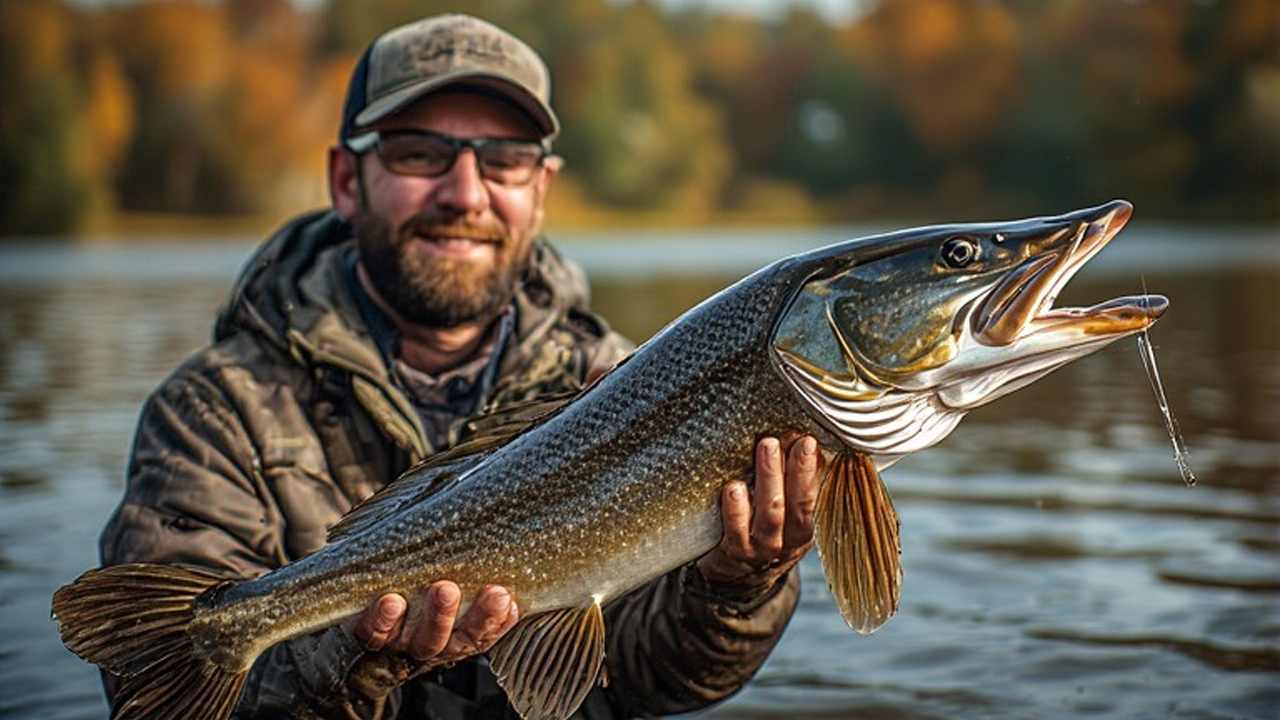
Muskellunge are the apex predators of Kentucky lakes. Cave Run Lake earned national fame as a muskie factory, producing fish over 50 inches annually. Green River Lake and Barren River also hold trophy-class populations. Muskie season runs year-round, but fall (October–November) offers the best chance at a fish of a lifetime. A strict 40-inch minimum length and one-fish daily limit protect these slow-growing giants. Live bait and large bucktail spinners are go-to presentations.
Walleye and Sauger share similar habitats—rocky points, tailwaters, and main-lake humps. Lake Cumberland, Dale Hollow, and the Ohio River produce consistent catches, especially during spring spawning runs and fall feeding windows. Possession limits vary by waterway, but most zones allow six walleye/sauger combined. Nighttime fishing with live minnows or blade baits is highly effective.
Catfish—channel, flathead, and blue—roam every major waterway. Channel cats are abundant in ponds and streams, with no size restrictions and generous creel limits. Flatheads grow massive in river systems like the Green and Kentucky; a five-fish daily limit applies, and 40-pound fish are caught annually. Blues thrive in big reservoirs and tailwaters, often schooling in deep channels during summer. Catfish tournaments are common, and jugline or trotline regulations allow multi-hook setups in specific waters.
🦞 Regulated or Special-Permit Fisheries
Kentucky manages several trout-stocked streams under heightened conservation rules. Waters like Elkhorn Creek, Cedar Creek, and Fishing Creek require a trout permit on top of your base fishing license. These permits fund stocking programs and habitat improvements, ensuring quality fishing for future generations. Some sections are designated catch-and-release only or restrict anglers to artificial lures with single hooks—these zones allow fish to grow larger and smarter, providing technical challenges for advanced anglers.
Muskie lakes like Cave Run operate under special slot limits during spawning season to protect reproductive-age females. Although muskie fishing is legal year-round, ethical anglers practice catch-and-release during spring months when fish are vulnerable on nests.
Certain tailwater fisheries below dams—Cumberland, Green River, Barren—have unique creel and size rules due to concentrated fish populations. Always consult the Kentucky Department of Fish & Wildlife Resources (KDFWR) guidebook or website for water-specific regulations before fishing unfamiliar tailwaters. Some require permits for wading access or limit the number of rods per angler.
🐠 Everyday Fish & Panfish Opportunities
| Species | Daily Creel Limit | Where to Find Them |
|---|---|---|
| Bluegill | 30 (combined sunfish) | Farm ponds, shallow lake coves |
| Redear Sunfish | 30 (combined sunfish) | Gravel flats, dock pilings |
| Crappie (Black/White) | 30 fish | Submerged brush, deep timber |
| White Bass | 30 fish | Open-water schools, tailwaters |
| Yellow Perch | 50 fish | Rocky points, weed edges |
| Channel Catfish | No limit | Rivers, ponds, reservoir channels |
| Hybrid Striped Bass | Included in striped bass limit | Main-lake points, open flats |
Panfish provide the backbone of family fishing trips. Bluegill are forgiving, abundant, and delicious—perfect for teaching kids how to set hooks and clean catches. Crappie offer a step up in challenge, requiring electronics and finesse to locate suspended schools. White bass runs in spring draw crowds to tailwaters, where hundreds of fish swarm baitfish migrations. These everyday species have generous limits and minimal restrictions, making them ideal for anglers who want to fill a cooler without navigating complex rules.
🏞️ Stocked Waters & Management Programs
Kentucky invests heavily in fish stocking to supplement natural reproduction and create angling opportunities where they wouldn’t otherwise exist. The KDFWR releases hundreds of thousands of trout annually into streams and tailwaters, with stockings beginning in late winter and continuing through spring. Popular trout destinations include Elkhorn Creek in Fayette County, Cedar Creek in Lincoln County, and the Cumberland tailwater below Wolf Creek Dam. Urban areas benefit from community fishing lakes—small impoundments stocked with catfish, bass, and bluegill—designed for shore anglers and families. These ponds often have relaxed rules, allowing young anglers to fish without licenses.
Muskie and walleye stocking programs target large reservoirs where natural recruitment is limited. Cave Run Lake receives fingerling muskie annually, sustaining its reputation as a trophy destination. Dale Hollow and Lake Cumberland see walleye stockings to bolster populations affected by fluctuating water levels.
The state also runs Family Fishing Program events, offering free instruction, loaner tackle, and stocked ponds at parks statewide. Check the KDFWR event calendar for scheduled clinics—they’re excellent for beginners looking to learn casting, knot-tying, and fish identification.
🌍 Access Rules: Public vs Private Waterways
- Public lakes and reservoirs managed by the U.S. Army Corps of Engineers or KDFWR offer free shoreline and boat ramp access. Launch fees at some ramps range from $3–$5 daily.
- Navigable rivers in Kentucky are public resources up to the ordinary high-water mark, even if the shoreline is privately owned. You can fish from a boat or wade legally, but stepping onto private land requires landowner permission.
- Farm ponds and private lakes are off-limits unless you’ve secured explicit consent from the owner. Trespassing laws are enforced, and violators face fines or citations.
- Wildlife Management Areas (WMAs) allow fishing in ponds and streams within their boundaries. Some WMAs require additional permits or restrict vehicle access during hunting seasons—verify rules before visiting.
- Urban fishing ponds in city parks are usually open sunrise to sunset, with parking and restroom facilities available. These spots prioritize accessibility and family-friendly environments.
- Always respect signage indicating private property, no-trespassing zones, or restricted areas near dams and spillways. Safe, legal access points are plentiful—risking trespassing isn’t worth the trouble.
🎟️ Kentucky Fishing License Overview
- Who needs a license? Anyone 16 years or older fishing in public waters must carry a valid Kentucky fishing license. Youth under 16 fish free without a license but must follow all creel and size limits.
- Resident licenses are available to anyone who has lived in Kentucky for 60 consecutive days. Annual resident licenses cover all freshwater fishing statewide.
- Non-resident licenses cost more but grant identical privileges. Visitors can purchase 1-day, 7-day, or annual licenses depending on trip length. A single-day pass works great for weekend getaways.
- Senior exemptions apply to Kentucky residents 65 and older, who can fish without purchasing a license. Proof of age and residency may be requested by conservation officers.
- Trout permits are required in addition to your base license when fishing designated trout streams and lakes. This annual stamp funds stocking programs and habitat restoration.
- Military personnel stationed in Kentucky can purchase resident licenses regardless of their legal state of residence—active duty ID serves as proof.
- Licenses are sold online through the KDFWR website, at sporting goods retailers, bait shops, and county clerk offices. Digital licenses on smartphones are legal and accepted by law enforcement.
For those exploring neighboring states, you might find similar accessible regulations in places like Alabama’s freshwater fisheries or Illinois’ managed waterways, both offering beginner-friendly angling opportunities.
❓ Angler FAQs
Can I fish at night in Kentucky?
Absolutely. Most waters allow 24-hour fishing, and species like catfish, walleye, and crappie are often more active after dark. Always carry a headlamp, and be mindful of boat navigation lights if you’re on the water after sunset.
What’s the best lake for beginners?
Taylorsville Lake and Guist Creek Marina are excellent starter destinations. Both offer calm water, abundant panfish, and accessible shoreline fishing. Rental boats and on-site bait shops make logistics easy for first-timers.
Do I need a boat to catch fish in Kentucky?
Not at all. Hundreds of public ponds, stream access points, and reservoir shorelines produce quality catches. Bank fishing for catfish, bluegill, and trout is highly productive, especially in community fishing lakes and tailwaters.
Are live bait restrictions enforced?
In trout streams, artificial lures or flies with single hooks may be required—check water-specific rules. Most bass lakes allow live minnows, worms, and crayfish, but some private tournaments mandate artificial-only.
What’s the penalty for fishing without a license?
Citations for unlicensed fishing can result in fines starting around $50–$100, plus court costs. Repeat offenders face steeper penalties, and conservation officers patrol popular waters regularly.
Can I keep fish I catch in catch-and-release zones?
No. Designated catch-and-release areas—common in select trout streams and muskie spawning zones—require immediate release of all fish. Possession in these zones violates regulations and carries fines.
When is the best time to fish in Kentucky?
Spring and fall offer the most consistent action across species, but summer mornings and winter tailwaters have their own magic. The “best” time depends on your target species and fishing style—every season has something to offer.
🗺️ Where to Fish This Year
If you’re chasing trophy muskie, Cave Run Lake in northeastern Kentucky remains the crown jewel. This 8,270-acre reservoir is stocked annually and managed specifically for muskie, producing fish over 50 inches with regularity. Anglers also target crappie, bass, and catfish here—boat ramps and marinas at Zilpo Road and Twin Knobs provide full-service access.
For trout enthusiasts, the Cumberland River tailwater below Wolf Creek Dam offers year-round fishing in a stunning gorge setting. Rainbow and brown trout thrive in the cold, oxygen-rich discharge water, and fish exceeding 10 pounds are landed each season. Wade fishing is popular but requires caution—swift currents and rocky footing demand proper footwear and awareness of dam discharge schedules.
Lake Barkley and Kentucky Lake, part of the Land Between the Lakes region, form one of the South’s premier bass and crappie destinations. These sprawling reservoirs host national fishing tournaments and offer endless coves, points, and creek channels to explore. Catfish anglers target the main river channels, while striper fishermen troll open-water flats for massive schools.
Green River Lake in central Kentucky balances trophy muskie fishing with excellent bass and walleye populations. The lake’s rocky structure and standing timber create diverse habitat, and public boat ramps at Pikes Ridge and Holmes Bend make access straightforward. For comprehensive resources on Kentucky’s fishing infrastructure, the Kentucky Department of Fish & Wildlife provides maps, stocking schedules, and real-time lake reports.
Elkhorn Creek, flowing through the Bluegrass Region, is Kentucky’s most famous trout stream. March through October, rainbow trout are stocked weekly, and the creek’s limestone-filtered water stays cool enough to support them through early fall. Access points at Athens and Peaks Mill offer public parking and wading entries—weekend crowds can be heavy, so weekday trips are recommended.
✅ Final Thoughts
Kentucky’s 2026 angling season runs generous and diverse, offering year-round opportunities for nearly every species. Largemouth and smallmouth bass, crappie, bluegill, and catfish are accessible statewide with minimal restrictions, while trout fishing opens March 1st and runs through October 31st in designated streams and tailwaters. Muskie season remains open all year, but a strict 40-inch minimum length and one-fish limit protect trophy populations in lakes like Cave Run and Barren River. Crappie and panfish allow 30-fish daily limits, and catfish offer unrestricted harvest in most waters. Resident and non-resident licenses are required for anglers 16 and older, with additional trout permits needed in stocked waters.
Public access is abundant, from urban ponds to massive reservoirs, and family-friendly programs make it easy for newcomers to get started. Whether you’re wading a spring-fed stream for stocked rainbows or trolling deep ledges for suspended walleye, Kentucky’s fisheries deliver. Respect the limits, practice conservation, and you’ll find water worth returning to every season.

- Wyoming Fishing Regulations 2026: State Rules & Management Areas - February 16, 2026
- Wisconsin Fishing Regulations by Zone 2026: Seasons & Size Limits - February 16, 2026
- West Virginia Fishing Regulations 2026: Stream & Lake Rules - February 16, 2026