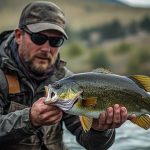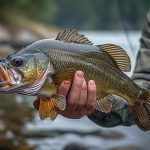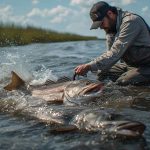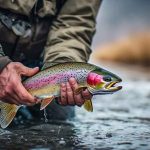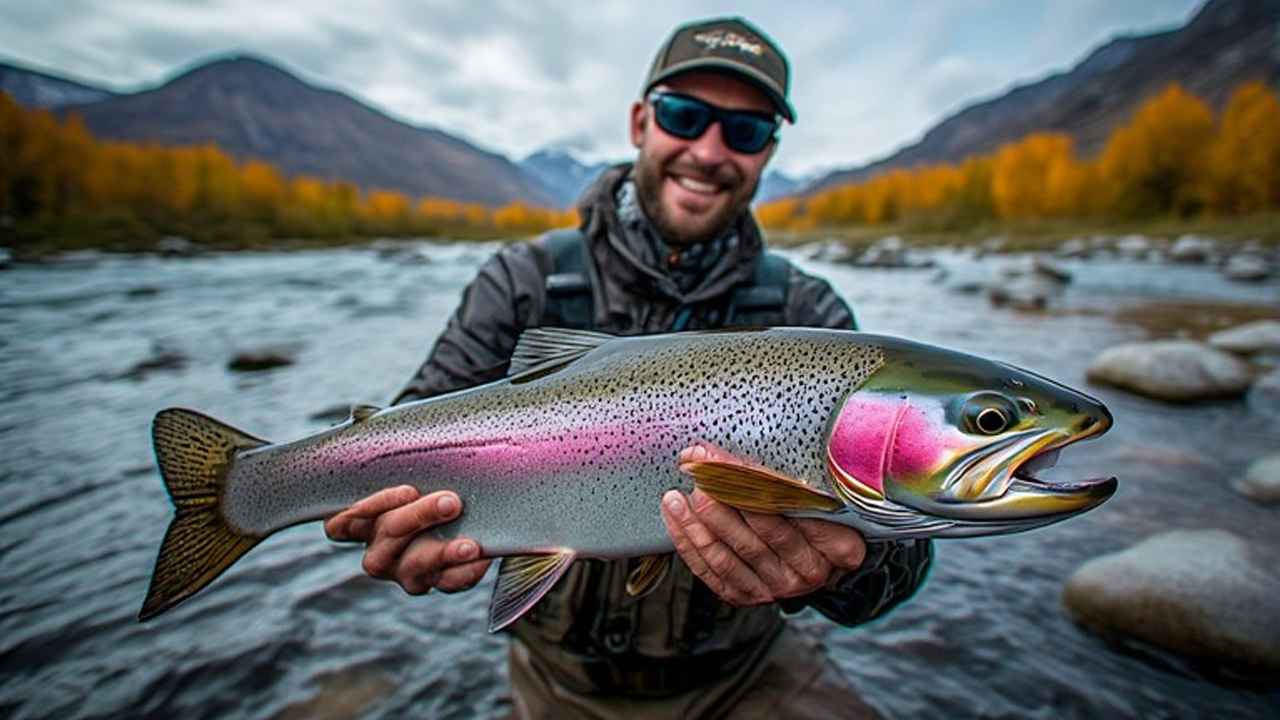
Whether you’re a first-timer hoping to land your first king salmon or a seasoned angler chasing trophy halibut, understanding the state’s angling seasons and rules can make or break your adventure.
Alaska’s fisheries are as diverse as its landscape. From the glacial rivers of the Interior to the sprawling coastal waters of the Kenai Peninsula, each waterway operates under carefully managed guidelines designed to protect fish populations while giving anglers incredible opportunities. The state takes conservation seriously, balancing public access with sustainability so future generations can experience the same thrill. Licensing is straightforward, visitor-friendly, and essential—whether you’re a resident or traveling from the Lower 48, you’ll need the proper credentials before you wet a line.
The beauty of fishing in Alaska lies in its seasonal transitions. Spring brings the ice-out period when trout and char become active again. Summer explodes with salmon runs that draw anglers from around the globe. Fall offers some of the most peaceful fishing of the year, with fewer crowds and hungry fish preparing for winter. Even the coldest months present unique opportunities for those willing to bundle up and fish through the ice.
🗓️ Complete Alaska Fishing Season Dates 2026
| Species | Season Opens | Season Closes | Special Notes |
|---|---|---|---|
| King Salmon (Chinook) | May 15 | July 31 | Some rivers close earlier; check local postings |
| Sockeye Salmon (Red) | June 1 | August 15 | Peak runs late June through mid-July |
| Coho Salmon (Silver) | July 1 | September 30 | Extended seasons in certain coastal areas |
| Pink Salmon | July 10 | September 15 | Strong returns in even-numbered years |
| Chum Salmon | June 20 | September 10 | Often overlooked but excellent sport fish |
| Rainbow Trout | June 1 | October 31 | Catch-and-release only in designated areas |
| Arctic Char | May 15 | September 30 | Remote lakes may have extended seasons |
| Grayling | June 1 | September 30 | Barbless hooks required in many streams |
| Northern Pike | Year-round | Year-round | No closed season; liberal bag limits |
| Lake Trout | Year-round | Year-round | Trophy lakes may have slot limits |
| Dolly Varden | May 20 | October 15 | Similar regulations to char |
| Pacific Halibut | Varies by area | Varies by area | Saltwater; check Marine Area charts |
| Rockfish (Saltwater) | Year-round | Year-round | Depth and size restrictions apply |
🌅 Seasonal Fishing Breakdown Specific to Alaska
Early Spring (April – May)
When the snow begins to melt and daylight stretches past dinnertime, Alaska’s fishing year truly begins. Early spring is all about ice-out on interior lakes and the first stirrings of migratory fish.
- Species in Focus: Rainbow trout, lake trout, Arctic grayling, Dolly Varden
- What to Expect: Waters are cold, so fish are slower but hungry after winter. Smaller presentations work best—nymphs, spoons, and jigs fished deep.
- Regulation Watch: Many streams remain closed until June to protect spawning populations. Always verify local closures before heading out.
- Catch-and-Release Periods: High-value trout streams often enforce strict catch-and-release during early season to preserve broodstock.
Peak Summer (June – August)
This is Alaska’s prime time. Salmon return in waves, tourists flock to the rivers, and fishing pressure peaks across the state. It’s chaotic, exhilarating, and absolutely unforgettable.
- Species in Focus: All five Pacific salmon species, rainbow trout, char, halibut
- What to Expect: King salmon lead the charge in mid-May, followed by sockeye, chum, pink, and finally coho. Trout and char feed aggressively behind spawning salmon, gorging on eggs.
- Regulation Watch: Salmon limits vary dramatically by river system. Some areas allow harvest; others are fly-fishing-only or catch-and-release. Emergency orders can close fisheries overnight if runs fall short.
- Special Catch-and-Release Periods: Trophy trout waters often go catch-and-release during peak tourist season to spread the opportunity.
Fall Transition (September – October)
Crowds thin, temperatures drop, and fish enter a feeding frenzy before winter locks everything down. Fall fishing in Alaska rewards those willing to brave unpredictable weather.
- Species in Focus: Coho salmon (late run), rainbow trout, char, grayling, pike
- What to Expect: Coho fishing extends into September and even early October in some systems. Trout are fat and aggressive, feeding heavily on salmon eggs and fry. Colors explode across the tundra, making every outing a visual feast.
- Regulation Watch: Many waters close by October 31 to protect fish preparing for winter. Northern pike and lake trout remain open year-round in most locations.
- Special Catch-and-Release Periods: Some premier trout rivers enforce extended catch-and-release through October.
Winter (November – March)
Most of Alaska’s fisheries go quiet in winter, but ice fishing opens up unique opportunities on stillwaters.
- Species in Focus: Lake trout, northern pike, burbot, rainbow trout (in select lakes)
- What to Expect: Hard-water fishing through thick ice. Lakes near urban centers like Anchorage and Fairbanks see regular ice fishing traffic. Burbot—the only freshwater cod—become surprisingly active under the ice.
- Regulation Watch: Standard possession limits apply. Some lakes remain closed year-round; confirm access before drilling holes.
- Special Considerations: Safety is paramount. Ice conditions vary, and remote lakes require serious preparation.
🐟 Game Fish Anglers Target Most
Alaska’s reputation as a fishing paradise isn’t hype—it’s earned through incredible diversity and sheer abundance. Here’s what draws anglers north year after year.
King Salmon (Chinook)
The heavyweight champion of Alaska’s rivers. Kings arrive in late May and run through July, with fish regularly topping 40 pounds. The Kenai River is legendary for producing giants over 70 pounds, though those are increasingly rare. Anglers use heavy tackle, drift rigs, and plugs, often fishing from boats in deep holes where these bruisers hold. Possession limits are extremely conservative—often one fish per day—and some rivers close king fishing entirely when runs are weak. The state carefully monitors escapement goals, and emergency orders are common. If you dream of a king salmon, plan ahead and stay flexible. Unlike the more temperate salmon opportunities in California, Alaska’s king runs are strictly tied to specific river systems and narrow windows.
Sockeye Salmon (Red)
Arguably Alaska’s most prized table fare, sockeye are deep red, rich in flavor, and incredibly fun to catch on light tackle. They arrive in massive schools from early June through mid-August. The Kenai, Russian, and Copper rivers see world-class runs. Sockeye rarely take lures, so anglers use a technique called “flossing” or cast brightly colored flies and weighted spinners. Limits are generous compared to kings—often three to six fish per day depending on location. The peak of the sockeye run is pure madness: combat fishing at its finest, with anglers standing elbow-to-elbow along gravel bars. It’s chaotic but part of the experience.
Coho Salmon (Silver)
Coho are aggressive, acrobatic, and accessible. They hit lures with reckless abandon, making them favorites for beginners and veterans alike. The season stretches from July into early October, with peak fishing in August and September. Coho school in estuaries and push into rivers as they mature. Anglers catch them on everything from spinners to streamers to spoons. Limits are typically three to six fish per day, and they’re excellent eating. Because coho run later in the season, they offer a second chance for anglers who missed the earlier salmon chaos.
Rainbow Trout
Alaska’s freshwater crown jewel. These aren’t your average stocked trout—wild Alaska rainbows grow huge, fight hard, and live in some of the most beautiful water on Earth. Most waters holding significant trout populations operate under catch-and-release rules to protect the fishery. Peak trout fishing aligns with salmon runs (June through September) when rainbows gorge on eggs and fry. Flies, spinners, and plugs all produce. The Bristol Bay region and waters around Katmai National Park hold trophy trout that can exceed 30 inches. If you’re targeting big trout, consider hiring a guide—the best waters are remote and require floatplanes or jet boats.
Arctic Char
Often confused with Dolly Varden, char are spectacular fighters that inhabit cold, clear lakes and rivers. They’re most active from late May through September. Some populations migrate to sea (called “sea-run char”), while others stay landlocked. Char hit spinners, spoons, and flies aggressively. Possession limits are usually liberal—two to five fish per day—but trophy waters may enforce stricter rules. Char flesh ranges from pale pink to deep orange, rivaling salmon in flavor.
Arctic Grayling
The ballerina of Alaska’s streams, grayling are delicate, beautiful, and a joy to catch on light fly tackle. They prefer clear, cold water and are abundant in remote Interior and Arctic drainages. Grayling season runs June through September. Barbless hooks are required in most grayling waters to reduce mortality. Limits are usually five to ten fish per day, but many anglers practice catch-and-release. Grayling are delicate and don’t tolerate warm water or rough handling, so treat them gently.
Northern Pike
Alaska’s apex freshwater predator. Pike are aggressive, grow huge (20-plus pounds), and inhabit weedy lakes and slow rivers across the Interior and western Alaska. There’s no closed season on pike, and possession limits are generous—often ten fish per day. The state actually encourages pike harvest in some drainages where they threaten native salmon populations. Spring and fall offer the best pike fishing, though they bite year-round. Use heavy line, wire leaders, and aggressive lures—pike hit hard and have teeth like razors.
Lake Trout
Deep, cold lakes across Alaska hold lake trout, and some reach truly monstrous sizes. Lakers are year-round residents with no closed season in most locations. They prefer deep water (30 to 100 feet) and are typically caught by trolling, jigging, or ice fishing. Possession limits range from two to five fish depending on the lake, and many waters have slot limits to protect mid-sized fish. Lake trout grow slowly, so trophy waters require careful management. Top destinations include Tustumena Lake, Lake Louise, and waters in the Brooks Range.
🦞 Regulated or Special-Permit Fisheries
Alaska manages certain fisheries with extra care, using permits, lotteries, and closures to balance opportunity with conservation.
Copper River Salmon: This system produces some of the finest salmon in the world, and commercial, subsistence, and sport fisheries all compete for access. Personal-use dipnet fisheries operate under strict permit systems. If you’re after Copper River reds, expect regulations to change rapidly based on run strength.
Kenai River King Salmon: Arguably the most scrutinized fishery in the state. Run strength has declined over the past decade, leading to restrictive harvest limits, short seasons, and even complete closures. Anglers may be limited to catch-and-release only, or restricted to one fish per season. Emergency orders are common. Always check the Alaska Department of Fish and Game website before planning a Kenai trip.
Sport Fish Draw Permits: Select hunt-area lakes and streams require draw permits to limit pressure. These are usually free but require advance application. Examples include certain rainbow trout streams in the Bristol Bay region and limited-entry steelhead waters in Southeast Alaska.
Subsistence Fisheries: Alaska residents in rural areas rely on fish for food. Subsistence regulations are separate from sport fishing rules and prioritize local needs. Visitors should be aware of subsistence closures and avoid fishing in designated subsistence-only waters.
The emphasis here is simple: Alaska’s fish populations are not infinite. Tightly managed fisheries ensure that everyone—commercial, sport, and subsistence users—can access this incredible resource sustainably.
🐠 Everyday Fish & Panfish Opportunities
Not every Alaska fishing trip needs to be an epic adventure. Plenty of accessible, family-friendly waters offer excellent panfish and smaller game fish.
| Species | Typical Creel Limit | Where to Find Them |
|---|---|---|
| Arctic Grayling | 5-10 per day | Clear streams, roadside pullouts, Interior lakes |
| Dolly Varden | 2-5 per day | Coastal streams, lake outlets, spring creeks |
| Burbot | Liberal (often 15+) | Deep lakes, especially in winter |
| Northern Pike | 10 per day | Weedy lakes, sloughs, slow rivers |
| Pink Salmon | 6+ per day | Coastal rivers, even-year abundance |
| Whitefish | 10-15 per day | Rivers, lakes, often overlooked but excellent eating |
These fish offer fantastic action without the crowds or strict regulations of premier salmon and trout waters. They’re perfect for kids, beginners, or anyone just looking to enjoy a peaceful day on the water.
🏞️ Stocked Waters & Management Programs
Alaska’s wild fisheries are famous, but the state also maintains a robust stocking program to create urban and roadside fishing opportunities.
Urban Lakes Program: Anchorage, Fairbanks, and Juneau all have stocked lakes within city limits. These waters receive regular plants of rainbow trout, landlocked salmon, and char. It’s a great way for families to fish without traveling far.
Youth Fishing Events: Alaska hosts dozens of free youth fishing clinics each summer. Kids under 16 fish for free (no license required), and many events provide loaned gear, instruction, and even snacks. Check local Fish and Game offices for schedules.
Stocked Roadside Lakes: The Parks Highway, Richardson Highway, and other major routes pass numerous stocked lakes. These receive regular trout plants and offer easy access. Examples include Birch Lake, Blodgett Lake, and Jan Lake.
Fishery Enhancement Programs: Some lakes undergo habitat restoration—adding structure, improving spawning beds, or adjusting water chemistry. These efforts improve fish survival and growth rates.
The Alaska Department of Fish and Game publishes an annual stocking report detailing what species were planted, where, and when. It’s a handy resource for planning quick trips.
🌍 Access Rules: Public vs Private Waterways
Alaska’s land ownership is a patchwork of federal, state, Native corporation, and private holdings. Understanding access rights prevents trespassing and keeps you legal.
- Navigable Waters: All navigable waters in Alaska are public up to the ordinary high-water mark, even if they flow through private land. You can legally float, wade, and fish in these waters as long as you don’t step above the high-water line.
- Mean High Tide Line: In saltwater, the public has access up to the mean high tide line. This applies to beaches, tidal flats, and estuaries.
- Public Land Access: Millions of acres of state and federal land are open to fishing. This includes national forests, wildlife refuges, state parks, and Bureau of Land Management holdings.
- Alaska Native Corporation Lands: Some prime fishing areas cross Native corporation lands. Respect private property signs and seek permission when required. Some corporations charge access fees.
- Road System Limitations: Alaska’s road system is limited. Many world-class fisheries require floatplanes, boats, or long hikes. Plan accordingly.
- Respect Signage: If you see “No Trespassing” or “Private Property” signs, honor them. Trespassing can result in fines and damages Alaska’s fishing culture.
When in doubt, check with local Fish and Game offices or land management agencies. Access rules can be complex, especially in remote areas.
🎟️ Alaska Fishing License Overview (Simplified)
Getting licensed in Alaska is straightforward, affordable, and non-negotiable. Here’s what you need to know.
- Who Needs a License: Anyone 16 or older fishing in Alaska must carry a valid sport fishing license. No exceptions.
- Resident vs Non-Resident: Residents enjoy lower fees and longer license terms. To qualify as a resident, you must have lived in Alaska for at least 12 consecutive months and intend to remain indefinitely.
- Youth Fishing: Kids under 16 fish for free—no license required. It’s one of Alaska’s best deals and a fantastic way to introduce kids to the outdoors.
- Short-Term Passes: Visitors can purchase 1-day, 3-day, or 14-day licenses. These are cost-effective for tourists or anglers on short trips.
- Annual Licenses: Residents and dedicated non-resident anglers benefit from full-year licenses. Annual licenses are valid from January 1 through December 31.
- King Salmon Stamp: Harvesting king salmon requires a special stamp in addition to your base license. This applies to both residents and non-residents.
- Where to Buy: Licenses are available online through the Alaska Department of Fish and Game website, at sporting goods stores, tackle shops, and many grocery stores statewide. Purchase online before your trip to save time.
- Carry Your License: Always carry your fishing license while on the water. Enforcement is active, and fines for fishing without a license are steep.
Fishing licenses fund conservation, habitat restoration, and hatchery programs. They’re not just a legal requirement—they’re an investment in Alaska’s fisheries.
❓ Angler FAQs
When is the best time to fish for salmon in Alaska?
Salmon timing varies by species. Kings arrive first in mid-May, peaking in June. Sockeye run from early June through August. Pinks and chums overlap in July and August, while coho push into rivers from August through September. The exact timing depends on water temperature, snowmelt, and ocean conditions. If you’re targeting a specific species, research run timing for your chosen river system.
Do I need a guide to fish in Alaska?
Not at all. Plenty of productive water is accessible from the road system, and DIY anglers do very well. That said, guides offer immense value—they know where fish are holding, provide gear, and handle logistics like transportation and meals. If you’re traveling from out of state, short on time, or targeting trophy fish, a guide is worth every penny.
Can I eat the fish I catch?
Absolutely. Alaska’s fish are among the cleanest and safest to eat anywhere in the world. Salmon, trout, char, and halibut are all excellent table fare. Follow possession limits, and be aware that some waters enforce catch-and-release rules. If you’re keeping fish, bleed them immediately and keep them cold for best quality.
Are there any invasive species I should know about?
Northern pike are considered invasive in some drainages where they threaten native salmon populations. Anglers are encouraged to harvest pike liberally in these areas. Additionally, never transport live baitfish or aquatic plants between water bodies—doing so can spread invasives and diseases.
What’s the deal with emergency orders?
Alaska’s fisheries are managed adaptively. When salmon runs fall below escapement goals, the state can issue emergency orders that close fisheries, reduce limits, or impose gear restrictions with little notice. Always check for emergency orders before heading out, especially on high-profile rivers like the Kenai or Copper.
Is catch-and-release required anywhere?
Yes. Many premier trout streams operate under strict catch-and-release regulations. Waters with wild steelhead, large rainbow trout, or sensitive char populations often prohibit harvest. Review the sport fishing regulations booklet or consult local Fish and Game offices.
What tackle should I bring?
It depends on your target species. Salmon fishing requires heavier rods (8- to 10-weight for fly anglers, medium-heavy spinning gear), strong line, and terminal tackle suited to the technique. Trout and char do well with lighter gear. If you’re flying in, consider renting gear locally to save luggage space.
🗺️ Where to Fish This Year
Alaska offers thousands of fishable waters, but a few stand out as must-visit destinations.
The Kenai River might be the most famous fishing destination in Alaska, and for good reason. It’s accessible, productive, and home to all five salmon species plus trophy rainbow trout and Dolly Varden. The upper river—above Skilak Lake—offers stunning turquoise water and excellent fly fishing for rainbows and sockeye. The lower river is salmon central, with kings, reds, silvers, pinks, and chums all making runs. Guided trips are abundant, or you can wade and fish from shore at dozens of public access points.
Bristol Bay and the Kvichak Watershed represent Alaska fishing at its wildest. This remote region, accessible only by floatplane, produces world-record rainbow trout and hosts the largest sockeye runs on Earth. Lodges and fly-out operations cater to anglers willing to invest in a bucket-list experience. If you’ve ever dreamed of catching a 30-inch wild rainbow, Bristol Bay is where it happens.
The Copper River flows from glaciers in the Wrangell Mountains to the Gulf of Alaska. Its salmon—especially sockeye—are legendary for their flavor and oil content. Sport fishing opportunity is limited due to subsistence and commercial pressure, but when it’s open, it’s exceptional. The Gulkana River, a tributary, offers more consistent access and excellent king and sockeye fishing.
Southeast Alaska’s Inside Passage is a saltwater paradise. Ketchikan, Juneau, and Sitka all offer world-class salmon and halibut fishing within minutes of town. Charter boats run daily trips, or you can fish from shore at countless public access points. Steelhead rivers in Southeast are legendary, though many are fly-fishing-only and strictly catch-and-release.
Fairbanks and the Interior Lakes provide excellent pike, lake trout, and grayling fishing. Many lakes are accessible by road, making this region ideal for DIY anglers. Harding Lake, Birch Lake, and Quartz Lake are all popular and productive.
The Alaska Department of Fish and Game maintains detailed maps and fishing reports on their website. These resources are invaluable for planning trips and finding current conditions.
✅ Final Thoughts
Alaska’s angling opportunities in 2026 remain as extraordinary as ever, though they come with responsibilities. Understanding the rules—season dates spanning May through October for most species, possession limits tailored to conservation goals, and catch-and-release requirements on trophy waters—ensures you fish legally and ethically. King salmon open mid-May with closures often extending through July depending on run strength. Sockeye dominate June and July, coho stretch into September, and trout fishing thrives June through October under carefully monitored creel rules.
Whether you’re casting for kings on the Kenai, swinging flies for rainbows in Bristol Bay, or jigging for pike in an Interior lake, Alaska rewards preparation and respect. Check for emergency orders, carry your license, practice catch-and-release when required, and honor access rules on public and private land. The state’s fisheries are a treasure—one that thrives because anglers, managers, and communities work together to protect it.

- Wyoming Fishing Regulations 2026: State Rules & Management Areas - February 16, 2026
- Wisconsin Fishing Regulations by Zone 2026: Seasons & Size Limits - February 16, 2026
- West Virginia Fishing Regulations 2026: Stream & Lake Rules - February 16, 2026