There’s a particular Oklahoma morning that feels like a secret handshake between you and the water: a thin ribbon of fog on the lake, coffee in a thermos, and that first cast that lands like a whisper. Early in the year, the bite can feel moody—one day you’re sticking fish, the next day you’re just feeding the turtles. But that’s the charm here: Oklahoma fishing isn’t one “season”… it’s a year-long carousel of shifting patterns, stocked surprises, and a few tightly managed fisheries that reward anglers who read the rules before they read the shoreline.
If you’re visiting (or just getting started), the good news is Oklahoma is pretty friendly to casual anglers—as long as you respect licensing, special water restrictions, and the conservation-minded creel rules. The Oklahoma Department of Wildlife Conservation (ODWC) also designates special regulation areas, so a lake might fish like “normal Oklahoma,” while the river below a dam might have its own playbook. Start simple: confirm you’re legal, know what you can keep, and when in doubt—release the fish and double-check later. 🐟
Complete Oklahoma Fishing Season Dates 2026
Oklahoma is mostly “open year-round” for many freshwater fisheries, but the practical seasons and the rule-trigger dates matter. Here’s the clean cheat-sheet for 2026. 🎣
| 2026 Fishing Opportunity (Oklahoma) | What “Season” Means in Real Life | What to Watch For (rules that trip people up) |
|---|---|---|
| General warmwater fishing (bass, crappie, catfish, etc.) | Typically open across the year on most public waters | Certain lakes/rivers have special regulations; statewide daily/size limits apply where no special rules exist |
| Trout areas (state-designated) | Trout season applies in designated trout waters | Often restricted to one rod and reel in trout areas; “no culling” rules are strict |
| Urban/Close-to-Home trout ponds | Dec–Feb trout season window (metro ponds) | Bank-fishing style rules (often no wading/boats), one rod, and daily trout limits apply |
| Free Fishing Days | June 6–7, 2026 | No state fishing license needed those two days, but some city permits may still apply; paddlefish permit still required |
| Paddlefish (including snagging) | Allowed with special permit; some closures/restrictions | Requires a free paddlefish permit + harvest reporting; snagging rules & area closures apply |
| Alligator gar | Generally open, but has a closed attempt window | Attempt to take/harvest alligator gar prohibited May 1–31 statewide; harvest reporting required |
🗓️ Seasonal Fishing Breakdown
Early Spring (the “everything wakes up” window) 🎣
- Most active species you’ll notice: crappie staging near cover, bass cruising warming banks, and catfish getting easier to locate in shallower zones 🐠
- Regulations to keep in the back of your mind: statewide limits apply unless you’re on a special-regulation lake/river; also remember Oklahoma has “no culling” language for certain game fish once they’re in possession (don’t play livewell shuffle games)
- Beginner-friendly move: pick one technique and stick with it—slow-rolled jigs for crappie or a basic Texas-rig for bass. Early spring rewards patience more than fancy gear.
- Catch-and-release moments: in chilly water, fish often survive release well—so it’s a great time to practice handling, quick photos, and clean releases 🐟
Peak Summer (when shade lines and dawn alarms matter) 🐟
- Most active species you’ll notice: catfish after dark, bass early/late (and deep midday), white bass schooling when conditions line up, and panfish around docks and brush 🐠
- Typical creel-rule pitfalls: summer is when people stack coolers—so it’s also when bag/possession limits matter most. Keep it simple: know your daily limit category and don’t “combine households” in one bucket. Statewide daily and size limits are clearly defined for many sport fish
- Special note for visitors: Free Fishing Days are June 6–7, 2026—great for traveling families trying fishing without extra paperwork (but city permits can still be a thing)
- Conservation habit that helps: use circle hooks for bait fishing when you can—deep-hooked fish don’t do well in hot water 🦈
Fall Transition (the “baitfish buffet” season) 🎣
- Most active species you’ll notice: bass feeding more aggressively, hybrids/white bass chasing shad, and crappie sliding with temperature shifts 🐟
- Regulations to watch: if you hop between lakes, remember “special waters” can change rules quickly. Your statewide baseline is useful, but don’t assume it fits every managed lake and river reach
- Simple strategy: follow wind-blown banks and creek mouths—fall fish often stack where groceries drift by 🐠
- Catch-and-release periods: fall is prime for releasing larger breeding-quality fish—especially for bass—so the next spring has more “wow” moments
Winter (yes, Oklahoma still fishes) 🐟
- Most active species you’ll notice: trout in designated areas and metro ponds, plus catfish and bass if you slow down and fish deeper/steadier 🐠
- Big rule theme: designated trout waters come with method-of-take restrictions (often one rod and reel) and strong “no culling” rules
- Family-friendly winter option: ODWC’s Close-to-Home trout season (Dec–Feb) is built for bank anglers and quick trips—perfect for kids or visitors who don’t own a boat
🐟 Game Fish Anglers Target Most
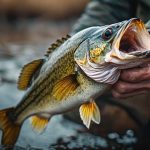
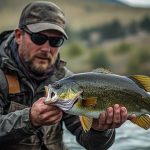
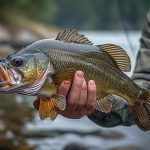
Bass: In Oklahoma, bass fishing feels like a year-round conversation with the weather. They’re most cooperative during warming trends (early spring) and feeding windows (fall). Expect typical statewide limits to include both daily and size components for largemouth/smallmouth in many places, with spotted bass treated differently in statewide rules. Lakes, reservoirs, and river systems all produce—so pick your comfort zone: bank-friendly coves, kayak creeks, or big-water ledges.
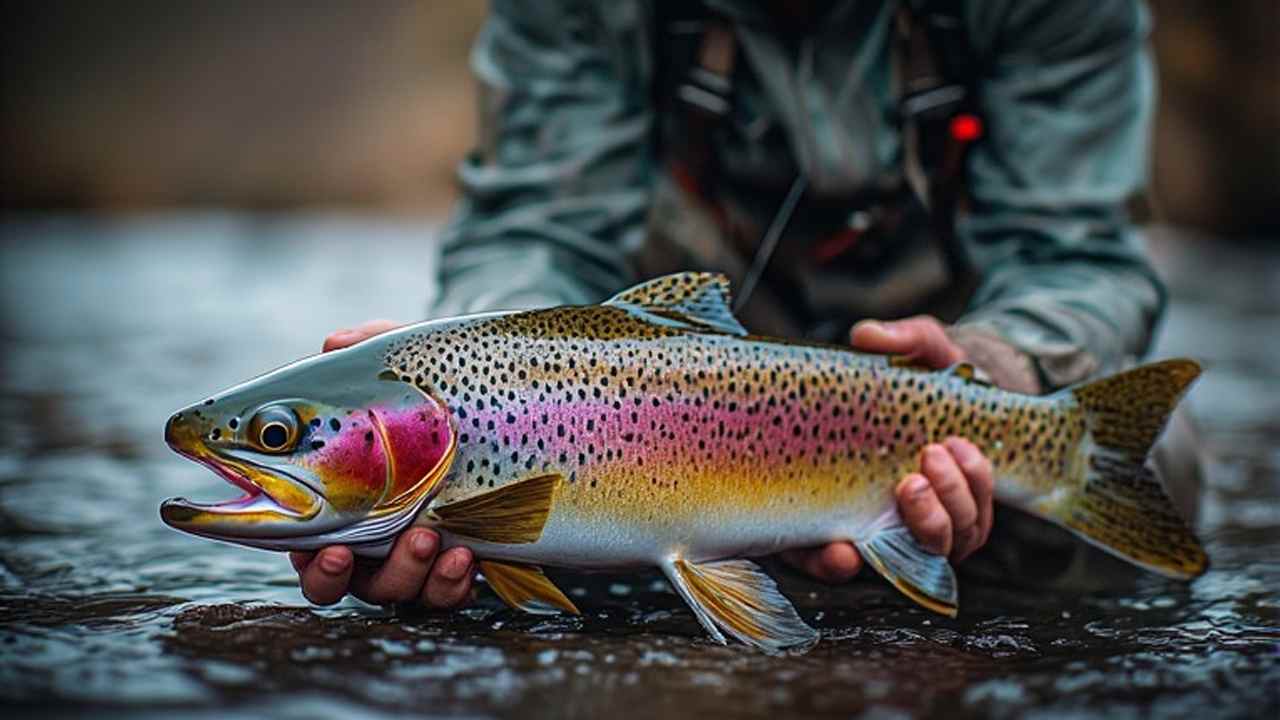
Trout: Trout shine when the air bites your cheeks. Oklahoma trout fisheries are managed more tightly than warmwater lakes—rules often focus on method-of-take (like limiting gear to one rod and reel in trout areas), plus strict possession habits (stringer marking, no culling). You’ll find them in designated trout streams and winter urban stockings—great for beginners because you can keep the tackle simple.
Pike / Muskie: Oklahoma isn’t famous nationwide for pike/muskie the way some northern states are, but anglers chasing toothy predators should still treat “unlisted species” carefully—especially where special regulations or species-of-concern rules exist. If you’re traveling and this is your target category, verify the specific waterbody rules before you commit a weekend to it.
Walleye / Catfish: Walleye/sauger/saugeye anglers tend to do best in cooler water windows and around current, structure, and dam-adjacent habitats. Statewide rules include a combined daily limit category with a minimum length component for these species in areas without special regulations. Catfish are a backbone fishery here—especially for families—because they’re accessible, tasty, and available in lakes and rivers, with statewide daily limits and a notable size-related restriction for larger blue catfish in many waters.
🦞 Regulated or Special-Permit Fisheries
Some fisheries are managed like a savings account—you don’t raid it daily if you want it to grow.
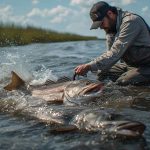
- Paddlefish: This is the headline “special permit” fishery for many visiting anglers. You need a free paddlefish permit in addition to a fishing license before fishing for paddlefish, and harvest must be reported via the state’s E-Check system. Snagging has hook rules (barb restrictions) and area/time closures; once you keep one, you stop for the day (and no culling is allowed)🦈
- Alligator gar: Gar are iconic—and heavily protected. Oklahoma requires harvest reporting, and there’s a statewide period where attempting to take/harvest alligator gar is prohibited (May 1–31).
- Species of special concern: Oklahoma lists multiple fish as species of special concern with tight limits and reporting requirements in some cases—another reason not to treat “mystery fish” like disposable bycatch.
🐠 Everyday Fish & Panfish Opportunities
| Everyday Species | “Creel limit” style you’ll usually see | Where beginners commonly find them |
|---|---|---|
| Bluegill / sunfish | Often grouped under panfish rules; water-specific rules may apply | Docks, riprap, shallow brush in lakes/ponds |
| Crappie (white/black) | Commonly a combined daily-limit category statewide where no special regs exist | Brush piles, standing timber, bridge pilings |
| Channel catfish | Typically managed under catfish categories; some waters add special rules | Stinkbait off the bank, riprap edges, creek arms |
| White bass | Often abundant; statewide rules may allow generous harvest where no special regs exist | Points, sandbars, tailwaters, open-water schooling |
🏞️ Stocked Waters & Management Programs
If you’ve ever wondered why a pond in the city suddenly fishes “too good to be true,” that’s not luck—it’s management.
- Oklahoma supports trout opportunities in designated trout areas and also through metro “Close to Home” sites where a trout season runs December through February via local partnerships.
- The state also provides location guidance for places to fish (a handy starting point when you’re traveling and don’t know where public access waters are).
- For a broader “how to start” refresh, ODWC’s main fishing hub is a solid bookmark for updated links and program info (especially when regulations shift).
If you want an internal “compare-and-plan” angle for a nearby trip, you can also browse Kansas statewide fishing rules overview to see how neighboring regulations and access culture differ.
For a high-authority external reference on fish ID basics and species profiles (handy when you’re not sure what you caught), the U.S. Geological Survey’s NAS resource is useful: USGS Nonindigenous Aquatic Species (species info).
🌍 Access Rules: Public vs Private Waterways
- Public water doesn’t always mean public shoreline—access is the real issue, so use official maps and signed entry points to avoid trespass problems.
- If you’re bank fishing, look for maintained parking areas, fishing jetties, boat ramps with walkable edges, and designated fishing areas on public lands.
- Treat fences and “No Trespassing” signs as the end of the road—Oklahoma anglers get access by respecting it.
- On rivers, don’t assume you can cross private land just because water is nearby; plan entry/exit like you’re planning a hike.
- If you’re using wildlife management areas or other public access properties, follow posted check-in/out or site-specific requirements (especially for nonresidents on certain public areas).
🎟️ Oklahoma Fishing License Overview
- Most anglers—resident or visiting—need a fishing license to take or attempt to take fish, including trout (unless exempt).
- Nonresidents should plan ahead for special-area requirements and read signage at public fishing areas (some rules apply beyond basic licensing).
- Youth rules vary by age and program; if you’re bringing kids, confirm exemptions before the trip so you’re not guessing at the shoreline.
- Short-term options are perfect for visitors—grab what matches your trip length instead of overbuying.
- If you’re targeting paddlefish, remember: you’ll need that free paddlefish permit in addition to your fishing license.
- If you’re planning around a budget family weekend, circle June 6–7, 2026 for Free Fishing Days (license-free at the state level; some city permits may still apply).
❓ Angler FAQs
If I keep a fish in a livewell, can I later release it and keep a bigger one?
For certain species, Oklahoma’s rules prohibit releasing fish once they’ve been placed on a stringer/livewell or otherwise held in possession—commonly summarized as “no culling” .
Do trout waters have different gear rules than lakes?
Yes—state-designated trout areas can restrict you to one rod and reel (or one pole and line) during trout season, and they’re closed to snagging .
What’s the simplest way to avoid violating special-regulation lakes?
Before you fish, look up the waterbody under ODWC regulations and check posted signs at ramps/parking areas—special regulations override statewide defaults .
Can I try paddlefish snagging as a first-timer?
You can, but it’s not “show up and wing it.” You need a free paddlefish permit, must follow hook/barb rules, and you must report harvest within 24 hours if you keep one .
Are there times I can fish without a license in 2026?
Yes—Oklahoma’s Free Fishing Days are June 6–7, 2026 (state license waived), though city permits may still be required in some places .
What if I’m just fishing a private pond with permission?
Oklahoma notes that private ponds/lakes may not have the same daily/size limits that apply to public waters—but always confirm what “private” truly means and get clear landowner permission .
🗺️ Where to Fish This Year
If you’re new to Oklahoma, start by thinking in “day types.” A breezy Saturday with kids and a bucket of worms? You want easy parking, calm banks, and fish that cooperate. A solo dawn mission with a spinnerbait and a little ambition? You want points, riprap, and room to roam.
ODWC’s Where To Fish pages are the easiest way to narrow your search by region and find public access waters without guessing. From there, many anglers build their year around a handful of classics: big reservoir water that can humble you (and also produce the fish of your life), river stretches that reward current-reading, and winter trout spots that feel like a holiday pop-up shop—gone as fast as they appear.
A few widely known waters anglers often talk about include Lake Texoma (especially for stripers), Grand Lake O’ the Cherokees, Lake Eufaula, and the Lower Mountain Fork River area for trout-focused trips (always confirm the specific trout-area rules before you go). Pick one water, learn it deeply, and you’ll catch more than the angler who “samples” ten spots without a plan.
✅ Final Thoughts
Oklahoma’s 2026 fishing scene is a year-round buffet with a few important “read this twice” items: Free Fishing Days are June 6–7, 2026, trout waters often have stricter method-of-take rules (frequently one rod and reel), and special fisheries like paddlefish require a free permit plus harvest reporting. Statewide daily and size limits provide the baseline for many species—bass, catfish, crappie, walleye/sauger/saugeye—but individual waters can override those defaults, so checking the specific lake/river rules before you cast is the easiest way to stay legal and keep Oklahoma’s fisheries thriving.

- Wyoming Fishing Regulations 2026: State Rules & Management Areas - February 16, 2026
- Wisconsin Fishing Regulations by Zone 2026: Seasons & Size Limits - February 16, 2026
- West Virginia Fishing Regulations 2026: Stream & Lake Rules - February 16, 2026