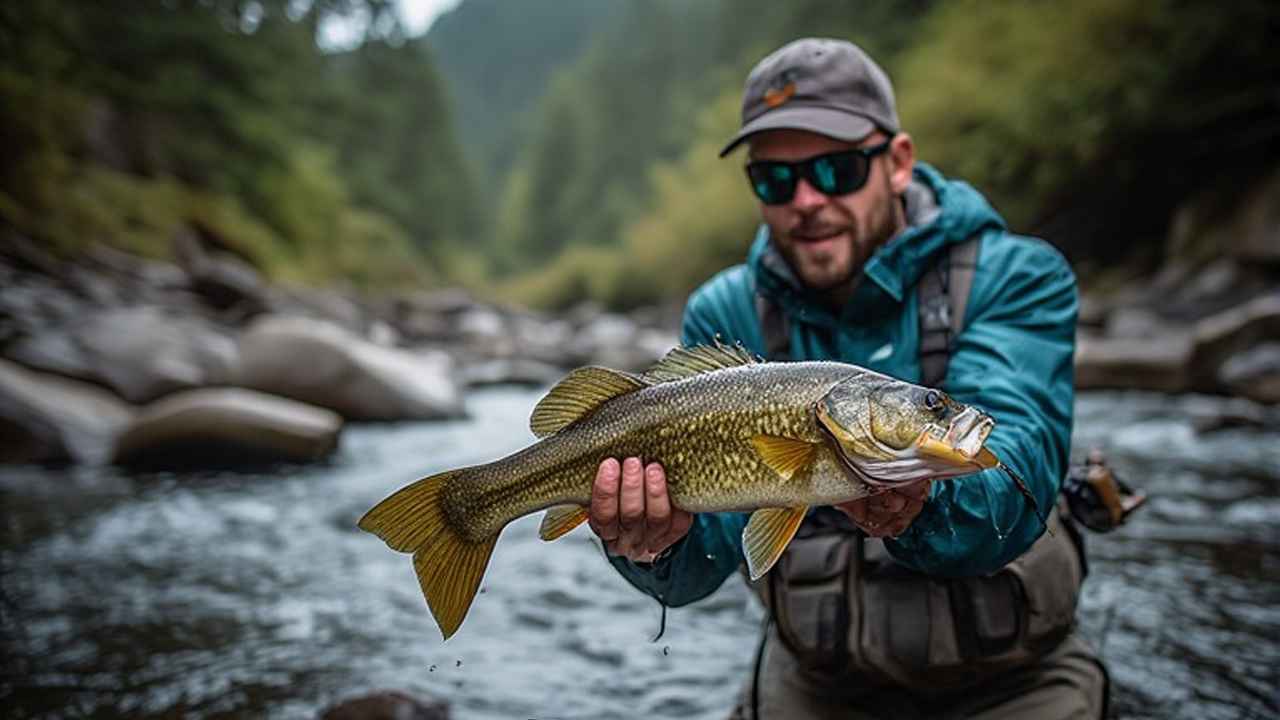
Whether you’re a weekend warrior chasing summer salmon or a parent introducing your kid to their first bluegill, understanding Washington’s angling calendar isn’t just about staying legal—it’s about timing magic moments when fish are hungry, waters are accessible, and memories stick.
Washington’s fisheries management reflects a state that takes conservation seriously while keeping doors wide open for families and visitors. The Department of Fish and Wildlife (WDFW) balances wild stock protection with robust stocking programs, creating experiences for every skill level. Licensing requirements are straightforward, access points are well-marked, and the diversity—from coastal steelhead runs to eastern Washington walleye haunts—means something’s always biting somewhere. Let’s break down what 2026 holds, season by season, species by species, so you can plan trips that actually produce.
🗓️ Complete Washington Fishing Season Calendar 2026
| Species | Season Opens | Season Closes | Special Notes |
|---|---|---|---|
| Rainbow Trout (General Lakes) | Year-round | Year-round | Check specific lake regulations; some close Dec 1–Mar 31 |
| Steelhead (Columbia River) | January 1 | April 15 | Wild fish must be released |
| Spring Chinook Salmon | March 1 | June 30 | Varies by river system; check WDFW emergency rules |
| Kokanee Salmon | June 1 | October 31 | Managed lakes only; specific possession limits apply |
| Smallmouth Bass | Year-round | Year-round | Best May–September; no minimum size many waters |
| Largemouth Bass | Year-round | Year-round | Catch-and-release encouraged during spawn (April–June) |
| Walleye (Columbia/Snake Rivers) | Year-round | Year-round | No daily limit on Columbia; conservation concerns addressed |
| Tiger Muskie (Selected Lakes) | May 1 | November 30 | Single fish limit; 50-inch minimum |
| Coastal Cutthroat Trout | June 1 | October 31 | Stream-dependent; some year-round in lakes |
| Lake Trout (Roosevelt/Chelan) | Year-round | Year-round | Deep-water techniques; burbot season overlaps winter |
| Catfish (Channel/Bullhead) | Year-round | Year-round | No closed season; night fishing popular June–August |
| Sturgeon (Lower Columbia) | January 1 | December 31 | Retention windows announced weekly; check before fishing |
| Panfish (Perch/Crappie) | Year-round | Year-round | Ice fishing legal on approved lakes Dec–Feb |
Note: This table reflects general statewide patterns. Always verify current regulations through WDFW’s official mobile app or website, as emergency closures and tribal co-management agreements can alter dates with short notice.
🌅 Seasonal Fishing Breakdown for Washington Waters
Early Spring: The Awakening (March–May)
Spring in Washington isn’t just about cherry blossoms—it’s when rivers swell with snowmelt and fish shake off winter lethargy. This period delivers some of the year’s most dramatic action:
- Steelhead Finale: Late-winter steelhead runs peak in March along coastal tributaries and Puget Sound rivers. These chrome-bright warriors represent the tail end of the season, with selective fisheries protecting wild stocks while hatchery fish provide action. Fly anglers and drift fishermen crowd popular holes, but respectful rotation keeps things civil.
- Lowland Lake Trout: Stocked rainbow trout dominate April–May fishing across hundreds of managed lakes. WDFW’s spring planting schedule turns urban ponds and family-friendly reservoirs into hot zones. PowerBait off the bottom or small spinners retrieve limits quickly—perfect for kids getting their first tastes of success.
- Bass Pre-Spawn Patterns: Smallmouth and largemouth bass start cruising shallows as water temperatures climb past 50°F. They’re hungry but not yet locked into beds, making them aggressive toward crankbaits and soft plastics. This window (late April through May) offers quantity before summer’s heat shifts behavior.
Peak Summer: Prime Time Diversity (June–August)
If Washington fishing had a highlight reel, summer footage would dominate. Longer days, warmer water, and accessible high-country lakes create a buffet of choices:
- Salmon Season Kickoff: June marks the return of summer Chinook runs in Puget Sound and Columbia River systems. Mooching, trolling, and plunking techniques target these prized fish as they stage near river mouths. Possession limits are conservative—often one adult per day—but the fight and table quality justify the effort.
- Alpine Trout Expeditions: Mountain lakes above 3,000 feet shed ice by early July, opening backcountry gems where eager cutthroat and brook trout attack almost anything. Pack-in trips to areas like the Alpine Lakes Wilderness or North Cascades require stamina, but solitude and scenery reward hikers willing to leave crowds behind.
- Warmwater Species Shine: Eastern Washington’s Columbia Basin reservoirs heat up, triggering aggressive feeding among walleye, smallmouth bass, and channel catfish. Banks Lake, Potholes Reservoir, and the Tri-Cities stretch of the Columbia become playgrounds for boaters dragging crankbaits or soaking cut bait after dark.
Fall Transition: Second Acts (September–November)
Autumn fishing lacks summer’s buzz but compensates with beauty and less competition. Cooler nights trigger behavioral shifts that smart anglers exploit:
- Kokanee Runs: September brings kokanee salmon into spawning mode across managed lakes like Lake Chelan and Wenatchee. These landlocked sockeye turn crimson and stage in shallow coves, providing easy trolling targets. Possession limits are generous (typically 16 per day), making them ideal for smoker loads.
- Fall Steelhead Preview: November ushers in the first coastal steelhead of the winter run. Rivers like the Hoh, Quillayute, and Skagit begin seeing fish, though December and January offer better numbers. Early-season anglers enjoy fewer elbows and fish still fresh from saltwater transitions.
- Trout Resurgence: Lowland lake trout, sluggish during summer’s heat, feed aggressively again as oxygen levels rebound. October through early November sees excellent success on both stocked and holdover rainbows using spoons, wedding rings behind flashers, or fly-and-bubble rigs.
Winter: Selective Opportunities (December–February)
Washington winters separate casual anglers from the devoted. Rain, cold, and shorter days clear out fairweather crowds, but several fisheries remain productive:
- Steelhead Central: This is the season for the Pacific Northwest’s signature fish. Hatchery-marked steelhead fill rivers from December through March, with peak action typically mid-January to mid-February. Egg patterns, jigs, and plugs all produce when water conditions cooperate.
- Ice Fishing Windows: When eastern Washington temperatures plunge, select lakes (like Eloika, Williams, and Medical) freeze enough for safe ice angling. Perch, crappie, and trout suspend near structure, responding to small jigs tipped with maggots or mealworms. Always check ice thickness—four inches minimum for foot traffic.
- Lowland Lake Holdouts: Year-round lakes scattered across Puget Sound lowlands and southwest Washington stay open through winter. Fishing pressure drops to near-zero, but dedicated anglers still connect with trout, bass, and panfish using slow presentations in deeper water.
🐟 Game Fish Anglers Target Most
Washington’s geographic split—wet west, dry east—creates distinct fisheries cultures. Let’s explore the headliners that fill stringers and photo galleries statewide.
Bass: The Everyman’s Trophy
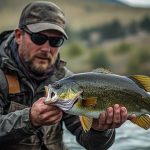
Both largemouth and smallmouth bass thrive across Washington, offering year-round opportunity without closed seasons. Smallmouth dominate rocky, current-driven environments like the Columbia and Snake Rivers, where 3–5 pound fish are common and occasional 6+ pounders make heroes. They’re structure-oriented—think submerged boulders, rocky points, and riprap—responding well to tubes, drop-shots, and crankbaits during warmer months.
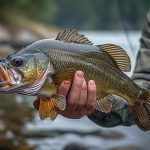
Largemouth prefer slower, vegetated waters like Moses Lake, Silver Lake, and countless western Washington ponds. Spring and early summer see them shallow for spawning, but July heat pushes them to weed edges and deeper structure. Texas-rigged worms and topwater poppers during dawn/dusk windows produce explosive strikes. Washington doesn’t impose minimum size limits on most bass waters, emphasizing catch-and-release ethics instead of harvest.
Trout: The Gateway Species
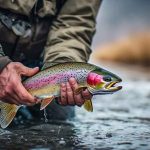
Rainbow trout serve as Washington’s introduction fish—stocked liberally, widespread, and willing. WDFW plants millions of catchable-size rainbows (8–12 inches) annually across 800+ lakes, plus urban ponds designed for kids and bank anglers. These fish aren’t sophisticated; marshmallow-colored PowerBait, nightcrawlers, or small Rooster Tails fool them easily.
Native trout species—coastal cutthroat, westslope cutthroat, and bull trout—require more finesse and specific regulations. Bull trout, in particular, are strictly catch-and-release across their range due to threatened species status. Stream fishing for wild cutthroat in Olympic Peninsula or Cascade tributaries demands lighter tackle, natural presentations, and careful handling. Many streams operate under selective gear rules (barbless hooks, artificial lures/flies only), protecting fragile populations while allowing angling experiences.
Walleye: The Eastern Surprise
Walleye aren’t native to Washington, but introductions decades ago created world-class fisheries in the Columbia and Snake River systems. No daily limit exists on Columbia River walleye—a controversial management decision reflecting concerns about their predation on juvenile salmon. This makes them perfect targets for anglers wanting to keep fish without guilt.
Spring (April–June) and fall (September–October) offer peak walleye action as they move shallow to feed. Jigs tipped with nightcrawlers, trolled bottom bouncers with worm harnesses, and crankbaits all produce. Night fishing under lights concentrates fish near dams and riprap. The Idaho fishing regulations also govern portions of the Snake River system, so cross-border anglers should verify which state’s rules apply depending on launch sites and fishing zones.
Salmon & Steelhead: The Heritage Fish
These anadromous species define Washington fishing culture. Five salmon species (Chinook, coho, sockeye, pink, chum) plus steelhead create overlapping runs throughout the year, each with distinct regulations shaped by wild stock protections and tribal treaty rights.
Chinook (“king”) salmon anchor spring and fall fisheries, with Columbia River springers (March–June) and Puget Sound fall Chinook (August–October) drawing intense effort. Possession limits are conservative—typically one adult salmon per day—and many areas require anglers to distinguish hatchery (clipped adipose fin) from wild fish, releasing the latter unharmed.
Steelhead occupy a special place, blending salmon-sized power with trout wariness. Winter-run steelhead (December–April) and summer-run steelhead (May–October) offer distinct experiences. For visiting anglers, the Oregon fishing regulations across the Columbia River create complex boundaries where state lines don’t always match water jurisdictions—always verify which regulations govern your specific fishing spot.
🦞 Regulated or Special-Permit Fisheries
Washington manages several fisheries with extra scrutiny, requiring special endorsements, draw permits, or strict seasons:
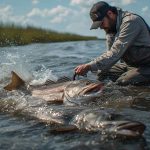
- Sturgeon Retention: White sturgeon in the lower Columbia River operate under constantly shifting retention windows. WDFW announces weekly whether harvest is open, what size slot is legal (typically 38–54 inches), and when quotas are met. This real-time management protects ancient spawning populations while allowing limited harvest. Check the hotline or app before every trip.
- Tiger Muskie Waters: Select lakes (like Mayfield Reservoir and Merwin Reservoir) receive tiger muskie plants—sterile hybrids of northern pike and muskellunge. These apex predators grow to impressive sizes but require a 50-inch minimum length and one-fish daily limit. They’re not easy to catch, rewarding persistence with explosive surface strikes.
- Bull Trout Closures: Due to threatened species status, bull trout must be released across their entire Washington range. Many streams close entirely to fishing during bull trout spawning (September–October), while others remain open under selective gear rules. Misidentifying juvenile bull trout as brook trout or Dolly Varden leads to citations, so learn the distinguishing features.
- Marine Area Salmon Seasons: Puget Sound divides into numbered marine areas, each with independent salmon season dates announced via WDFW emergency rules. What’s open in Area 10 (Seattle/Bremerton) might be closed in Area 7 (San Juan Islands). This patchwork reflects micro-management of Chinook stocks, particularly endangered southern resident orca prey populations.
🐠 Everyday Fish & Panfish Opportunities
| Panfish Species | Typical Creel Limit | Where to Find Them |
|---|---|---|
| Yellow Perch | 25 per day | Lake Washington, Moses Lake, Banks Lake |
| Black Crappie | 25 per day | Potholes Reservoir, Silver Lake, Patterson Lake |
| Bluegill | No limit | Western Washington ponds, American Lake |
| Pumpkinseed Sunfish | No limit | Shallow bays, lily pad edges statewide |
| Rock Bass | No limit | Columbia River sloughs, Curlew Lake |
| Warmouth | No limit | Southwest Washington lowland lakes |
These species rarely make headlines but provide consistent action for kids, beginners, and anglers just wanting to catch something. Simple bobber rigs with worms, small jigs, or mealworms work universally. Late spring through summer sees panfish bedding in shallows, making them visible and aggressive. Ice fishing for perch and crappie through January and February offers a unique cold-weather experience on eastern Washington lakes.
🏞️ Stocked Waters & Management Programs
WDFW operates one of the West Coast’s most aggressive trout stocking programs, planting over 10 million fish annually. This effort creates “put-and-take” fisheries where stocked rainbows, often raised to catchable sizes (8–12 inches), provide immediate action in easily accessed waters.
Urban Fishing Ponds: Cities like Seattle, Spokane, Tacoma, and Everett host designated family fishing lakes stocked heavily in spring. These ponds typically open to kids-only periods before general seasons, ensuring young anglers get first cracks at eager fish. Examples include Green Lake (Seattle), Wapato Lake (Tacoma), and Liberty Lake (Spokane Valley). Facilities often include accessible fishing docks, restrooms, and parking—removing barriers for families.
High-Country Stocking: Backcountry lakes across the Cascades and Olympics receive aerial trout plants via helicopter drops. These remote fisheries support cutthroat, rainbow, and brook trout populations that otherwise wouldn’t sustain in barren alpine basins. The Washington Department of Fish and Wildlife publishes annual stocking schedules online, letting dedicated anglers target specific lakes immediately after plants when fish are concentrated and hungry.
Kokanee Management: Lakes like Chelan, Wenatchee, and Kachess host robust kokanee programs with supplemental stocking. These landlocked sockeye provide excellent table fare and aggressive action when trolling small hoochies or Wedding Ring spinners behind dodgers. Fall harvest windows help thin populations before spawning, preventing overcrowding and stunted growth.
🌍 Access Rules: Public vs Private Waterways
- Public Water Navigation: Washington law allows anglers to access any navigable waterway up to the ordinary high-water mark, even when shoreline is privately owned. This means you can legally float or wade rivers passing through private property, but stepping above the high-water line (usually marked by vegetation change) constitutes trespassing.
- Boat Launch Etiquette: Most public lakes offer WDFW or state park boat ramps. Discover Passes (required at state park launches) and vehicle watercraft permits fund access maintenance. Crowded ramps on summer weekends demand courtesy—prep your boat in staging areas, launch quickly, and retrieve efficiently to avoid bottlenecks.
- Walk-In Lakes: WDFW designates certain lakes as “walk-in only” or restricts motors to preserve tranquility and limit fishing pressure. Examples include Hicks Lake (Thurston County) and numerous Alpine Lakes Wilderness destinations. These rules create quality experiences for anglers willing to trade convenience for solitude.
- Tribal Waters: Washington’s treaty tribes co-manage fisheries across much of the state. Certain rivers and marine areas fall under tribal jurisdiction or joint management, affecting season dates and harvest rules. Respect tribal fishing sites (often marked with scaffolding or nets) and understand that tribal members exercise treaty-protected rights independent of state regulations.
- Private Property Respect: Fences, gates, and “No Trespassing” signs mean what they say. Asking permission to cross private land to reach streams often succeeds, especially in rural eastern Washington where landowners appreciate courtesy. Never cut fences, leave gates open, or litter—actions that close access for everyone.
🎟️ Washington Fishing License Overview
- Who Needs Licenses: Anyone age 15 and older fishing in Washington waters requires a valid license. Youth under 15 fish free but must still follow all regulations. Disabled veterans with specific VA disability ratings qualify for free licenses.
- Resident vs. Non-Resident: Residency requires living in Washington for at least 90 consecutive days before purchasing. Resident licenses cost significantly less than non-resident options. Active-duty military stationed in Washington qualify for resident rates.
- License Duration Options: Annual licenses cover the calendar year (January 1–December 31). Short-term options include 1-day, 2-day, and 3-consecutive-day licenses—ideal for visitors or casual anglers testing the waters before committing.
- Combo Licenses: Freshwater and saltwater licenses are sold separately, but combination licenses bundle both at reduced rates. Anglers planning to fish Puget Sound and mountain lakes save money buying combo packages.
- Two-Pole Endorsements: Standard licenses allow one fishing pole at a time. Two-pole endorsements let anglers fish two rods simultaneously on lakes and ponds (not rivers/streams), doubling hookup chances while trolling or soaking bait.
- Columbia River Endorsements: Fishing the Columbia River below Bonneville Dam requires an endorsement beyond the base license, reflecting joint management with Oregon. This endorsement covers both bank and boat fishing in this zone.
- Where to Buy: Licenses are available online through WDFW’s website, at sporting goods retailers (Big 5, Sportsman’s Warehouse, Cabela’s), and some grocery/convenience stores. The WDFW mobile app lets anglers carry digital licenses on smartphones, avoiding lost paper copies.
❓ Angler FAQs
Can I fish saltwater and freshwater on the same day with one license?
Not unless you hold a combination license covering both environments. Puget Sound, coastal beaches, and marine areas require saltwater licenses, while lakes, rivers, and streams need freshwater licenses. If your day includes both, purchase the combo option to stay legal.
What happens if I catch a wild steelhead or salmon I’m required to release?
Handle the fish in water as much as possible, using barbless hooks for easier removal. Support the fish horizontally, revive it by moving it gently forward and backward to push water through gills, and release only when it swims away strongly. Photographing wild fish out of water increases mortality, so prioritize the fish’s survival over the photo.
Are there any free fishing days when I don’t need a license?
Yes, Washington typically offers two free fishing days per year (often one in June, one in winter), when residents and non-residents can fish without licenses. All other regulations—bag limits, gear restrictions, closed waters—remain in effect. Check WDFW’s annual calendar for specific dates.
How do I know which waters are open or closed to fishing?
WDFW publishes a comprehensive regulations pamphlet annually, available free at license vendors or downloadable online. The WDFW mobile app provides GPS-enabled maps showing your location relative to open waters, emergency closures, and special rules. When in doubt, call WDFW regional offices for clarification.
Can I keep fish I catch on private property ponds?
Private ponds not connected to public waters are exempt from state fishing regulations if the landowner grants permission and the pond is entirely on private property. However, any connection to streams, rivers, or lakes brings state rules into effect. Always confirm with the landowner and verify stocking sources.
What’s the penalty for fishing without a license or violating creel limits?
Violations range from warnings to citations carrying fines ($50–$500+ depending on severity) and potential gear confiscation. Repeat offenders or egregious violations (keeping wild steelhead, exceeding limits by large margins) can result in misdemeanor charges and loss of fishing privileges.
Is night fishing legal in Washington?
Yes, unless specific regulations prohibit it. Many catfish, walleye, and trout anglers prefer night sessions when fish feed more actively. Some special regulation waters close at dusk for safety or management reasons, so verify rules for your target location.
🗺️ Where to Fish This Year
Washington’s fishing landscape sprawles across climates and ecosystems, but certain destinations stand out for accessibility, productivity, and scenery.
Lake Roosevelt: This massive Columbia River reservoir behind Grand Coulee Dam stretches over 130 miles, offering walleye, rainbow trout, smallmouth bass, and kokanee. The sheer size means you can always find solitude, even on busy weekends. Spring walleye action peaks near Keller Ferry and Gifford, while summer trout trolling focuses on deeper mid-lake sections. Camping along the shoreline through the National Park Service sites adds multi-day adventure appeal.
Puget Sound Marine Areas: For salmon and bottomfish, Puget Sound combines urban convenience with genuine challenge. Areas near Seattle (Elliott Bay, Shilshole) let you launch at dawn, catch salmon or lingcod, and be back for lunch. The learning curve is steep—tide timing, bait selection, navigating boat traffic—but charter services provide shortcuts for beginners. Crabbing and shrimping seasons add bonus harvest opportunities.
Yakima River: Flowing east from the Cascades through high desert, the Yakima ranks among the West’s top trout streams. Selective gear rules protect wild rainbows, while catch-and-release ethics dominate most stretches. Fly anglers flock here March through October, working nymph rigs through riffles and dry flies during evening hatches. The Washington State Parks system maintains campgrounds at key access points like Umtanum and Squaw Creek.
Ross Lake: Straddling the U.S.-Canada border in North Cascades National Park, Ross Lake offers backcountry fishing for rainbow and cutthroat trout amid jaw-dropping scenery. Boat-in camping and limited access keep crowds thin, making it ideal for paddlers and hikers seeking wilderness immersion. Summer months (July–September) provide the most stable weather windows.
Banks Lake: Carved by Ice Age floods and filled by Grand Coulee irrigation runoff, Banks Lake serves as a four-season playground. Walleye, perch, and smallmouth bass dominate catches, with kokanee offering fall action. Ice fishing through January and February extends the season when conditions allow. Steamboat Rock State Park anchors the southern end with full amenities.
For detailed maps, launch locations, and GPS coordinates, consult WDFW’s interactive fishing map tool online. The platform layers regulations, stocking schedules, and access points over satellite imagery, helping you scout trips from home.
✅ Final Thoughts
Washington’s angling opportunities in 2026 reflect careful management balancing wild species protection with abundant access for residents and visitors alike. From the January 1 steelhead opener in coastal rivers through December 31 year-round bass and trout waters, something’s always biting if you know where to look. Key regulation highlights include liberal walleye harvest on the Columbia (no daily limit), conservative salmon possession limits (typically one adult per day), and strict catch-and-release requirements for bull trout and wild steelhead.
Seasonal peaks hit hard: spring’s steelhead finale and lowland trout plants (March–May), summer’s alpine lake bonanzas and salmon returns (June–August), fall’s kokanee runs and renewed trout feeding (September–November), and winter’s dedicated steelhead pursuits and selective ice fishing (December–February). Whether you’re planning a single-day trip to a stocked urban pond or a week-long expedition into the Cascades, Washington’s 2026 angling calendar delivers variety and quality that few states match. Grab your license, check the current regulations, and get after it—the fish are waiting. 🎣

- Wyoming Fishing Regulations 2026: State Rules & Management Areas - February 16, 2026
- Wisconsin Fishing Regulations by Zone 2026: Seasons & Size Limits - February 16, 2026
- West Virginia Fishing Regulations 2026: Stream & Lake Rules - February 16, 2026