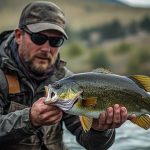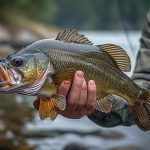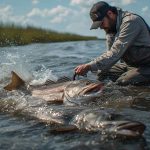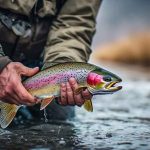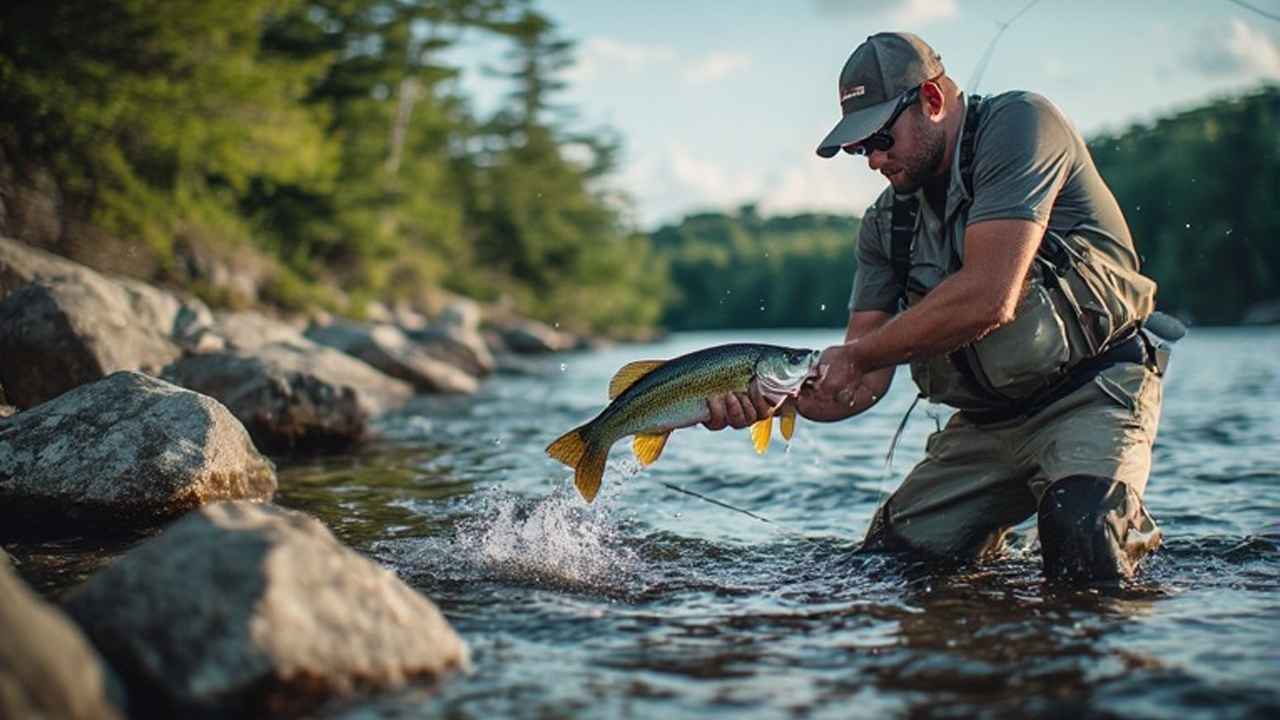
Vermont’s fishing scene offers moments like these year-round, but knowing when and where to drop your line makes all the difference between a memorable catch and a day of empty coolers.
The Green Mountain State’s waterways present anglers with a dynamic calendar of opportunities. From ice-out trout action in April to late-season pike expeditions in November, each turning season brings different species into prime feeding mode. Vermont’s Fish & Wildlife Department carefully manages these cycles, balancing conservation with recreational access so that both resident anglers and visiting enthusiasts can enjoy sustainable fisheries.
Whether you’re a first-timer learning to cast or a seasoned angler planning a multi-day expedition, understanding Vermont’s regulatory landscape ensures you stay legal while maximizing your time on the water. The state prioritizes both preservation and public enjoyment, maintaining well-stocked waters, clear access points, and family-friendly fishing programs that welcome newcomers into the sport.
🗓️ Complete Vermont Fishing Season Dates 2026
| Species | Season Opens | Season Closes | Special Notes |
|---|---|---|---|
| Lake Trout | January 1 | October 31 | Year-round in Lake Champlain |
| Brook Trout | April 12 | October 31 | Varies by water body |
| Rainbow Trout | April 12 | October 31 | Check local exceptions |
| Brown Trout | April 12 | October 31 | Some streams year-round |
| Landlocked Salmon | April 12 | October 31 | Specific lake restrictions apply |
| Largemouth Bass | Second Saturday in June | November 30 | Catch-and-release before opener |
| Smallmouth Bass | Second Saturday in June | November 30 | Catch-and-release before opener |
| Northern Pike | First Saturday in May | March 31 | Year-round in most waters |
| Chain Pickerel | Year-round | Year-round | No closed season |
| Yellow Perch | Year-round | Year-round | Creel limits apply |
| Walleye | Second Saturday in May | March 15 | Lake-specific regulations |
| Muskellunge | First Saturday in June | November 30 | Designated waters only |
🌅 Seasonal Fishing Breakdown
Early Spring (March–May)
The ice-out period transforms Vermont into a trout angler’s paradise. As temperatures climb and snowmelt feeds the streams, stocked and wild trout become aggressive feeders. This window—especially the first few weeks after the April opener—is when many anglers land their best catches of the year.
What to expect: Brook trout dominate the smaller mountain streams, while rainbow and brown trout patrol larger rivers and stocked ponds. Landlocked salmon in lakes like Champlain and Memphremagog become active as water temperatures reach that sweet spot between 45-55°F.
Regulations to watch: Many streams have special fly-fishing-only sections during this period. Catch-and-release rules often apply to early-season trophy waters. Always verify whether artificial lures are required before heading out—some managed streams prohibit live bait to protect native populations.
Insider tip: Don’t overlook the smaller tributaries feeding into major lakes. These spots warm faster and attract spawning fish, offering productive action when larger water bodies remain chilly.
Peak Summer (June–August)
Summer brings the bass bite into full swing. The second Saturday in June marks the official bass opener, though catch-and-release fishing is permitted earlier in many locations. Warm-water species become the stars during these months, with smallmouth and largemouth bass providing consistent action across Vermont’s lakes and rivers.
What to expect: Bass fishing peaks during early morning and evening hours. Northern pike prowl shallow weed beds, ambushing prey with explosive strikes. Panfish like perch, bluegill, and crappie congregate around docks and underwater structure, making them perfect targets for young anglers or those seeking a relaxed day on the water.
Regulations to watch: Bass possession limits and size restrictions vary by water body. Some lakes enforce slot limits to protect breeding populations. Walleye regulations also differ significantly depending on location—New Hampshire’s fishing guidelines offer similar regional considerations for New England anglers.
Insider tip: Water temperatures above 80°F can stress coldwater species. If you’re targeting trout during summer heat, focus on spring-fed streams or deep lake zones where temperatures remain cooler.
Fall Transition (September–October)
Autumn in Vermont brings spectacular foliage and some of the year’s most productive fishing. Cooler water temperatures trigger aggressive feeding as fish prepare for winter. This is prime time for trophy hunters seeking large trout and pike before the season closes.
What to expect: Lake trout move into shallower depths, making them accessible from shore or small boats. Brown trout begin their spawning runs, though many waters enforce catch-and-release to protect breeding fish. Bass remain active until late October, often feeding heavily on baitfish schools.
Regulations to watch: Several trout streams close in early October to protect spawning activity. Pay close attention to posted signs and regulation summaries—accidental fishing in closed waters can result in significant fines.
Insider tip: October’s cooler nights bring trout closer to the surface. Early morning dry-fly fishing can be spectacular during this period, especially on rivers with mayfly hatches.
Winter (November–February)
Ice fishing transforms Vermont’s frozen lakes into bustling communities of anglers. While many open-water seasons close by December, species like perch, northern pike, lake trout, and chain pickerel remain available through the ice.
What to expect: Yellow perch schools provide non-stop action for ice anglers, particularly in Lake Champlain’s bays. Northern pike and pickerel strike aggressively at tip-ups baited with live shiners. Some waters offer year-round trout fishing, allowing dedicated anglers to chase these species even in January.
Regulations to watch: Ice fishing has its own set of rules regarding tip-up numbers, bait types, and possession limits. Vermont requires all ice anglers to possess a current license, and some lakes have special winter regulations to prevent overharvest.
Insider tip: Safety comes first. Vermont’s ice thickness varies dramatically across lakes—always check local conditions and never venture onto questionable ice alone.
🐟 Game Fish Anglers Target Most
Trout Species – Vermont’s Coldwater Jewels
Vermont’s trout fishing reputation extends well beyond New England. Brook trout, the state’s official coldwater fish, thrive in pristine mountain streams where water quality remains exceptional. These native beauties prefer temperatures below 65°F and often inhabit the most scenic backcountry locations.
Prime time: April through June and again in September through October. Early season brings excellent dry-fly action, while fall fishing targets pre-spawn aggregations.
Typical limits: Most Vermont waters enforce a 12-inch minimum for brook trout with a five-fish daily creel. Trophy waters may have stricter regulations, including single-hook artificial lure requirements and reduced bag limits.
Where to fish: The Battenkill River remains legendary for wild brown trout. The White River offers excellent access and consistent hatches. Smaller streams throughout the Green Mountain National Forest harbor wild brook trout populations that reward hikers willing to explore.
Rainbow trout and brown trout supplement Vermont’s coldwater fisheries through stocking programs and naturalized populations. Browns grow larger than brookies and inhabit bigger rivers where they can hunt substantial prey. Rainbows offer aerial acrobatics and fight pound-for-pound harder than most species their size.
Bass – The Warm-Water Warriors
Vermont’s bass populations have exploded in recent decades, transforming lakes like Champlain into premier smallmouth destinations. These fish inhabit rocky shorelines, submerged boulder fields, and drop-offs where they ambush crayfish and baitfish.
Prime time: Late June through September offers the most consistent action. Post-spawn bass feed aggressively to regain weight lost during breeding season.
Typical limits: Most waters enforce a 10 to 12-inch minimum with a five-bass daily bag. Lake Champlain has specific slot limits designed to protect breeding-age fish—always check local regulations before keeping any bass.
Where to fish: Lake Champlain’s eastern shore provides world-class smallmouth fishing. Smallmouth bass enthusiasts also target the Connecticut River, where current breaks and ledges hold quality fish. Largemouth bass prefer quieter coves and weed beds in lakes like Harriman Reservoir and Lake Carmi.
Tournaments run throughout summer on Vermont’s major lakes, attracting competitive anglers from across the Northeast. These events showcase the quality of the state’s bass fisheries while promoting catch-and-release practices.
Northern Pike & Muskellunge – The Apex Predators
Pike fishing in Vermont offers excitement that few other species match. These toothy predators strike with explosive force, often launching themselves clear of the water. They patrol shallow weed beds during spring and fall, making them accessible to shore anglers and kayakers.
Prime time: May through June and September through October deliver peak action. Pike feed aggressively before and after summer’s warmest periods.
Typical limits: Northern pike generally follow a three-fish daily limit with no minimum size on most waters. Muskellunge, found in select lakes, require specialized regulations including higher size minimums and reduced possession limits to protect these slower-growing fish.
Where to fish: Lake Champlain’s bays hold substantial pike populations, particularly Missisquoi Bay and South Bay. The Connecticut River also produces quality fish. For muskie hunters, Lake Bomoseen offers Vermont’s best opportunity, though these fish test an angler’s patience with their “fish of 10,000 casts” reputation.
Walleye & Other Predators
While less abundant than in neighboring states, Vermont’s walleye populations provide quality fishing for those who know where to look. These low-light feeders become most active during dawn, dusk, and overcast conditions.
Prime time: Late May through June during and after spawn. Fall feeding periods also produce well.
Typical limits: Walleye regulations vary significantly by water body. Some lakes prohibit harvest entirely to allow populations to rebuild, while others permit limited harvest under slot limit rules.
Where to fish: Lake Champlain remains Vermont’s primary walleye destination. Connecticut River sections also hold fish, though access and regulations require careful research. For those seeking guaranteed walleye action, New York’s fishing regulations govern the western side of Lake Champlain with different rules that anglers should understand.
🦞 Regulated or Special-Permit Fisheries
Vermont carefully manages several unique angling opportunities that require additional attention to rules and access procedures.
Wild Brook Trout Waters: Designated streams throughout the state receive special protection to preserve native brook trout genetics. These areas often require artificial lures only, enforce catch-and-release, or limit harvest to tiny creels. The Vermont Fish & Wildlife Department publishes an annual list of these trophy waters—study it carefully before fishing remote mountain streams.
Landlocked Salmon Management: Lakes like Champlain, Memphremagog, and Willoughby support landlocked Atlantic salmon through stocking and natural reproduction. These prized fish face specific harvest restrictions including size limits and reduced bag allowances. Some waters close sections during spawning season to protect breeding fish.
Lake Trout Sanctuaries: Vermont has established specific zones in Lake Champlain where lake trout harvest is prohibited or severely restricted. These areas protect critical spawning reefs and have helped restore populations that suffered decades of overfishing and invasive species pressure.
Muskellunge Waters: Only select Vermont lakes contain muskie populations, and all enforce strict minimum length requirements (often 40-54 inches) with minimal daily harvest limits. These regulations reflect the species’ slow growth rate and vulnerability to overharvest. Anyone targeting these magnificent fish should practice proper handling techniques to ensure successful release.
The state’s conservation-first approach has produced remarkable results. Waters that struggled thirty years ago now support thriving populations. This success relies on anglers respecting seasonal closures, size limits, and special regulations designed to sustain fisheries for future generations.
🐠 Everyday Fish & Panfish Opportunities
| Species | Typical Creel Approach | Common Locations |
|---|---|---|
| Yellow Perch | Generous limits (25-50 fish) | Lake Champlain bays, Memphremagog |
| Bluegill | Liberal harvest allowed | Farm ponds, quiet lake coves |
| Pumpkinseed Sunfish | Combined panfish limits | Weed beds, lily pad edges |
| Black Crappie | Moderate limits (10-25 fish) | Brush piles, submerged timber |
| White Perch | High limits encouraged | Lake Champlain (invasive control) |
| Rock Bass | Liberal combined limits | Rocky shorelines, rivers |
| Chain Pickerel | Moderate limits (5 fish) | Weedy ponds, river backwaters |
These species provide Vermont’s most accessible fishing opportunities. They inhabit waters near population centers, tolerate warm temperatures, and readily bite basic tackle. Families introducing children to fishing will find these species forgiving and fun—there’s nothing quite like watching a youngster’s excitement when a bluegill tugs the bobber under.
Panfish also play an important ecological role by controlling invertebrate populations and serving as forage for larger predators. Liberal harvest limits on species like yellow perch and white perch actually benefit ecosystems by preventing overpopulation and stunting.
🏞️ Stocked Waters & Management Programs
Vermont’s Fish & Wildlife Department operates one of New England’s most robust stocking programs, distributing hundreds of thousands of fish annually across the state. This effort maintains quality fishing in heavily pressured waters while creating opportunities in lakes and ponds that lack natural reproduction.
Trout Stocking: Brook, brown, and rainbow trout receive the most attention. Stocking begins in April before the season opens and continues through early summer in some locations. The department prioritizes public access areas where anglers of all abilities can easily reach the water. Popular stocked waters include Curtis Pond, Somerset Reservoir, and numerous rivers like the Lamoille and Winooski.
Coldwater Species: Landlocked salmon and lake trout stockings support Lake Champlain’s world-class fishery. These efforts compensate for spawning habitat lost to development and invasive species like sea lamprey that prey on juvenile fish.
Warmwater Programs: While less publicized, the state also stocks tiger muskellunge and northern pike in select waters. These stockings create trophy opportunities while helping control invasive species populations through predation.
Urban Fishing Initiative: Vermont maintains special programs targeting youth and urban populations. Several city parks feature regularly stocked ponds specifically managed for family fishing. These locations often have relaxed regulations and provide fishing equipment loans, removing barriers for newcomers.
Where to Find Stocking Information: The Vermont Fish & Wildlife website publishes an annual stocking report listing every water body, species, and approximate quantities. This resource helps anglers target recently stocked locations when fish are most concentrated and actively feeding.
The state’s commitment to habitat improvement accompanies stocking efforts. Stream restoration projects, dam removals, and riparian buffer enhancements ensure that Vermont’s waters can support wild fish populations alongside stocked fisheries.
🌍 Access Rules: Public vs Private Waterways
Understanding access rights prevents legal troubles and maintains positive relationships between anglers and landowners. Vermont’s rules differ from many states, so even experienced anglers should review these guidelines.
- Public Waters: Vermont considers most navigable waters as public resources. This means you can legally fish from a boat on lakes and rivers even when shorelines are privately owned. However, “navigable” has specific legal definitions that don’t always match common sense—small streams may or may not qualify.
- Launching Access: Legally entering public water requires using designated public access sites or obtaining landowner permission. Simply because a bridge crosses a stream doesn’t automatically grant you the right to park and access the water. Vermont maintains hundreds of fishing access areas statewide, marked with brown signs and managed by Fish & Wildlife.
- Wading Rights: Anglers wading in rivers do NOT have the right to step onto private banks or islands, even momentarily. Vermont law considers riverbeds and banks as private property unless specifically designated as public. Stay in the water or use public access points.
- Fishing Access Areas: These designated sites provide parking, boat launches, and shore fishing opportunities. Some accommodate trailers and large vehicles, while others serve as walk-in access for anglers seeking solitude. Respect posted hours, parking limits, and carry-in/carry-out waste policies.
- Permission Protocols: When seeking permission to cross private land, approach landowners respectfully, identify yourself clearly, and explain exactly where you want to fish. Many Vermont landowners welcome responsible anglers but have been burned by litterers and trespassers. Leave gates as you find them, pack out all trash, and consider a thank-you note after your trip.
- Posted Property: “No Trespassing” and “Posted” signs must be respected. Vermont takes property rights seriously, and violations can result in fines, equipment confiscation, and license suspension. If you’re unsure whether land is public or private, err on the side of caution and ask.
- Lake Champlain Special Considerations: This massive water body borders New York, creating jurisdictional complexity. Anglers fishing Vermont waters from the Vermont side follow Vermont regulations. However, if you cross into New York waters (generally west of the state line), New York rules apply. Similar cross-border situations exist along the Connecticut River boundary with New Hampshire.
Respecting access rules protects the privilege of fishing for everyone. Landowners who feel disrespected close access, while those treated well often maintain traditional fishing spots for generations of anglers.
🎟️ Vermont Fishing License Overview
Vermont’s licensing system balances affordability with conservation funding. Revenue from license sales directly supports stocking programs, habitat restoration, and access area maintenance.
- Who Needs a License: Anyone age 15 and older fishing Vermont waters must carry a valid license. This applies to both residents and visitors. Active-duty military stationed in Vermont can qualify for resident licenses.
- Youth Exemptions: Children under 15 can fish without a license but must still follow all regulations regarding seasons, creel limits, and special restrictions. This exemption introduces young anglers to the sport without financial barriers.
- Resident vs Non-Resident: Vermont residents enjoy significantly lower license costs than out-of-state visitors. Residency requires living in Vermont for at least six consecutive months. College students attending Vermont schools can sometimes qualify for resident status—check current policy for details.
- License Types: Vermont offers multiple options including annual licenses, multi-year packages (better value), short-term licenses for visitors (1-day, 3-day, and 7-day options), and combination hunting-fishing licenses for those pursuing multiple outdoor activities.
- Special Stamps & Endorsements: Certain species and waters require additional stamps beyond the basic license. While specifics change annually, these often include trout stamps, access permits for special management areas, and second-rod permits allowing anglers to fish with two rods simultaneously in designated waters.
- Where to Purchase: Licenses are available online through the Vermont Fish & Wildlife website, from authorized vendors (sporting goods stores, bait shops, town clerks), and at some Fish & Wildlife Department offices. Online purchasing provides instant access—you can legally fish with the digital confirmation while waiting for your physical license to arrive.
- Reciprocity & Border Waters: Vermont has limited reciprocal agreements with neighboring states. Connecticut River and Lake Champlain anglers should verify which state’s license they need based on their fishing location. When in doubt, carrying licenses for both states eliminates legal concerns.
- Free License Programs: Vermont provides complimentary licenses for certain groups including seniors over specific ages (verify current policy), disabled veterans, and individuals with qualifying disabilities. These programs ensure all Vermonters can access fishing opportunities regardless of financial constraints.
Purchasing your license before heading to the water prevents disappointing delays and supports the conservation work that maintains Vermont’s excellent fishing. Conservation officers regularly check licenses—compliance isn’t optional.
❓ Angler FAQs
Can I fish Lake Champlain without worrying about which state I’m in?
Not quite. While Lake Champlain is massive and the state line isn’t marked with buoys, you’re subject to whichever state’s waters you’re actually fishing. Most anglers fishing from Vermont shores will be in Vermont waters and follow Vermont rules. However, if you venture far from shore or fish near the New York side, different regulations may apply. The safest approach? Carry both states’ licenses and familiarize yourself with both regulation sets. GPS apps can help determine your position relative to the state line.
What happens if I accidentally keep a fish that’s below the legal size?
Honest mistakes happen, but ignorance doesn’t excuse violations. If you realize the error before leaving the water, immediately release the fish if it’s still viable. If a conservation officer encounters you with an undersized fish, they have discretion in how to handle the situation—first-time accidental violations by cooperative anglers may result in warnings, while repeated or intentional violations face fines and potential license suspension. The best prevention? Carry a measuring device, know the regulations for your target species, and when in doubt, release the fish.
Are Vermont’s fishing regulations the same across all waters?
No, and this trips up many anglers. While general statewide rules provide a baseline, specific waters often have special regulations regarding season dates, size limits, creel restrictions, and allowed tackle. The annual Vermont Fishing Guide published by Fish & Wildlife includes pages of water-specific exceptions. Before fishing an unfamiliar location, look it up in the current regulations or check posted signs at access areas. Lake Champlain alone has dozens of zone-specific rules.
Can I use live bait everywhere in Vermont?
Not necessarily. While live bait is legal in many Vermont waters, specific rivers, streams, and ponds prohibit it to protect wild trout populations. These “artificial lures only” designations help reduce mortality from deeply hooked fish. Trophy trout waters and special management areas frequently enforce this restriction. Always verify whether your target water allows live bait before loading up on nightcrawlers or minnows. Similar to regulations in neighboring Connecticut’s fishing guidelines, Vermont tailors bait rules to specific conservation goals.
When does the ice become safe for ice fishing?
Ice thickness varies dramatically across Vermont’s lakes based on location, depth, water movement, and weather patterns. General guidelines suggest 4 inches of clear ice for walking, 5-7 inches for snowmobiles or ATVs, and 8-12 inches for cars or trucks. However, ice thickness can vary across the same lake—springs, currents, and temperature fluctuations create dangerous thin spots even when surrounding ice appears solid. Check local conditions with bait shops or ice fishing communities before venturing out. Never assume ice is safe based on someone else’s presence, and always fish with a companion who can assist in emergencies.
Do I need different licenses for saltwater and freshwater fishing in Vermont?
Vermont is landlocked—there’s no saltwater fishing within the state. A single Vermont fishing license covers all legal angling within state boundaries, whether you’re chasing trout in mountain streams or pike in Lake Champlain. This simplicity contrasts with coastal states that often separate freshwater and saltwater licensing.
What should I do if I catch an invasive species?
Vermont battles several invasive aquatic species that threaten native ecosystems. If you catch species like white perch, alewife, or sea lamprey in certain waters, do NOT release them alive. Some regulations actually require retention of invasive species to help control their spread. Additionally, clean all equipment thoroughly between fishing trips—invasive plants like Eurasian watermilfoil spread through boats, trailers, and fishing gear. Vermont operates inspection stations at some launches specifically to prevent this spread.
🗺️ Where to Fish This Year
Vermont’s fishing opportunities span from international borders to hidden mountain ponds. Here are some exceptional destinations that showcase the state’s diverse angling scene:
Lake Champlain remains Vermont’s crown jewel, stretching over 120 miles and touching New York and Canada. This inland sea offers everything from smallmouth bass in rocky shallows to lake trout prowling depths exceeding 400 feet. Salmon, walleye, northern pike, and abundant panfish add variety. Multiple public access sites ring the Vermont shore, from Burlington’s urban waterfronts to remote launches near the Canadian border. Hiring a guide helps first-time visitors navigate this massive water body and locate productive zones.
The Battenkill River has achieved legendary status among fly anglers worldwide. This spring-fed stream flows through pastoral valleys where catch-and-release sections protect wild brown trout populations. The river’s clarity demands stealthy approaches and precise presentations, but rewards skilled anglers with trout that test both tackle and technique. Public access exists at multiple bridge crossings, though much of the river flows through private land where permission is required.
Lake Memphremagog straddles the Canadian border, offering a unique international fishing experience. This deep, cold lake produces trophy lake trout, landlocked salmon, and smallmouth bass. Its northern reaches extend into Quebec, creating opportunities for anglers with proper documentation to explore Canadian waters. The Vermont portion provides excellent public access near Newport, with marina services supporting both small boats and larger vessels.
Connecticut River forms Vermont’s entire eastern border with New Hampshire, creating hundreds of miles of fishing opportunities. Smallmouth bass dominate the fishery, but shad runs in spring bring exciting action for anglers casting from shore or small boats. The river’s unique regulations—sometimes requiring New Hampshire licenses depending on where you’re positioned—add complexity, but the quality fishing justifies the extra attention to detail.
Somerset Reservoir appeals to anglers seeking remote beauty. This high-elevation impoundment requires a gravel road drive but rewards visitors with excellent trout and landlocked salmon fishing against a backdrop of wilderness. Campgrounds and primitive boat launches provide access, though facilities remain basic. This destination suits adventurous anglers comfortable with backcountry conditions.
Vermont Fish & Wildlife maintains detailed fishing access area guides and interactive maps on their website, helping anglers locate launch sites, shore fishing spots, and facilities. Whether you’re planning a weekend expedition or a quick evening session, these resources ensure you spend more time fishing and less time searching for access.
✅ Final Thoughts
Vermont’s 2026 angling seasons deliver exceptional opportunities across a full calendar of fishing experiences. From the April 12 trout opener that draws crowds to favorite streams, through the second Saturday in June bass season kickoff, to the October 31 trout season closure in most waters, each date marks a transition in what’s biting and where to find them.
Key regulations to remember: most trout fishing runs April through October with water-specific exceptions; bass season opens mid-June with catch-and-release allowed earlier; northern pike offers nearly year-round action with brief spring closures; and ice fishing extends opportunities for perch, pike, and pickerel through winter months when many other species rest.
Possession limits vary by species and location—study the regulations for your target fish and specific water body before heading out. Special management areas, trophy waters, and conservation zones enforce stricter rules designed to protect Vermont’s aquatic resources for future generations. Size restrictions, creel limits, and tackle requirements aren’t bureaucratic obstacles—they’re proven tools for maintaining the quality fishing Vermont anglers enjoy today.
Whether you’re a resident planning weekend outings or a visitor scheduling a fishing vacation, Vermont’s combination of accessible waters, diverse species, and conservation-minded management creates memorable angling experiences. Secure your license, review current regulations, respect access rules, and embrace the Green Mountain State’s fishing traditions. Tight lines and sustainable practices ensure Vermont’s waters remain productive for decades to come. 🎣

- Wyoming Fishing Regulations 2026: State Rules & Management Areas - February 16, 2026
- Wisconsin Fishing Regulations by Zone 2026: Seasons & Size Limits - February 16, 2026
- West Virginia Fishing Regulations 2026: Stream & Lake Rules - February 16, 2026